
Alpine plantain
Plantago alpina
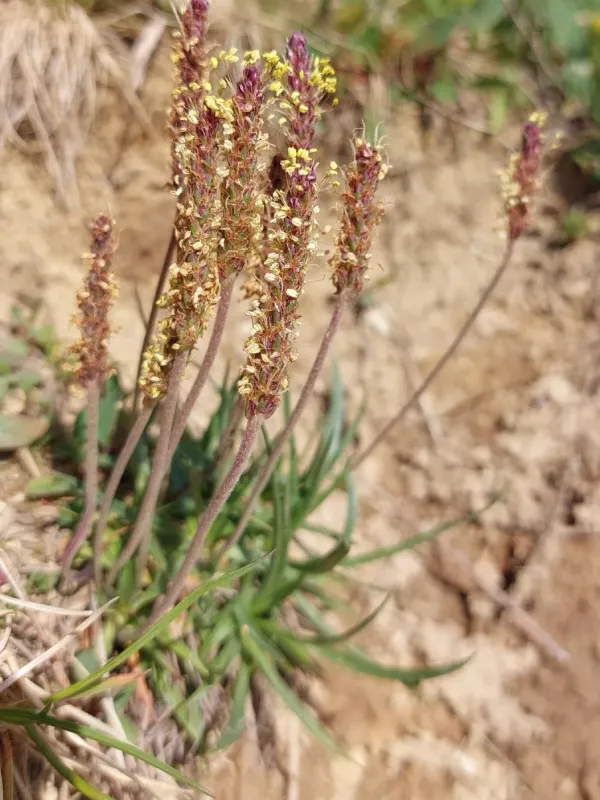
Description
Sowing dates
Sowing Alpine plantain seeds is best performed in early spring or late autumn. Since the seeds require a period of cold stratification, sowing them before winter is a natural and highly effective method for ensuring successful germination in the spring.
The soil for sowing should be light, well-draining, and sandy. Seeds must be sown at a shallow depth or merely pressed into the surface, as they require light to stimulate the physiological processes necessary for development.
For container-grown starts, sow seeds in early March, keeping the soil moist but not waterlogged. Once the danger of frost has passed, the seedlings should be hardened off and transplanted to their permanent outdoor location.
Space the plants approximately 20-25 centimeters apart. Adequate spacing is crucial for airflow, which prevents the development of fungal diseases that thrive in the dense rosettes characteristic of this species.
During the first year, focus on weed control. Alpine plantain has a relatively slow growth rate initially, and competitive weeds can easily suppress the development of young plants, leading to poor yield in later seasons.
Growing requirements
Alpine plantain is a member of the Plantaginaceae family, specifically adapted to high-altitude environments. This evolutionary history makes it highly resistant to cold temperatures and variations in daily thermal cycles.
The plant thrives in full sun. While it can tolerate partial shade, maximum exposure to sunlight is essential for the concentration of active medicinal compounds within the leaves, which is often the primary reason for cultivation.
Soil requirements are relatively modest. The plant prefers neutral to slightly alkaline, rocky, or sandy substrates. It is extremely sensitive to poor drainage, which can lead to root rot within a very short period.
Water management is critical. While it requires consistent moisture to establish itself, it does not tolerate waterlogged conditions. A site with a slight slope or improved drainage layer is ideal for long-term health.
For high-quality production, avoid sites with air pollution or heavy metals. As a medicinal herb, its leaves can absorb soil and atmospheric impurities, so clean environmental conditions are paramount for professional cultivation.
Yield
The yield of Alpine plantain is primarily measured in dry leaf weight. With proper management, including balanced moisture and weed control, cultivators can achieve significant productivity per square meter of crop.
Productivity typically peaks in the second and third years. As a perennial, the plant builds a robust root system that supports larger and more succulent leaf rosettes, leading to higher overall biomass production.
Harvest timing is essential for quality. The highest concentration of active compounds, such as aucubin and flavonoids, is usually found during the full flowering stage, which is the optimal time for harvesting leaves.
Sustainable harvesting involves not taking more than two-thirds of the rosette at one time. This allows the plant to continue photosynthesizing, ensuring it can store enough energy for survival through the winter and growth in the following season.
Post-harvest processing involves rapid drying in controlled conditions. Drying at temperatures below 45 degrees Celsius ensures that the leaves maintain their bright green color and their potency, which is highly valued by consumers.
Main diseases and pests
Fungal pathogens represent the most significant threat to this crop. Powdery mildew and leaf spot diseases frequently occur if humidity remains high and air circulation around the base of the plant is insufficient.
Pests such as snails and slugs can cause severe damage to young foliage. Implementing barrier methods or traps is recommended, as these are safer for medicinal crops compared to chemical pesticides.
Root rot is a constant danger in heavy or poorly draining soils. It often appears after periods of excessive rainfall and is best prevented by selecting the right soil type and ensuring correct landscape topography.
Aphids can infest the inflorescences during the warmer months, causing stunted growth and lower seed quality. Regular monitoring allows for early intervention with insecticidal soaps if necessary.
Viral infections can occasionally occur, characterized by leaf mottling or deformation. The most effective strategy is the immediate removal and destruction of symptomatic plants to stop the spread through the planting.
Harvesting
Harvesting Alpine plantain is a manual process that requires care to avoid damaging the central crown of the plant. Using sharp tools ensures clean cuts and reduces the chance of infections occurring at the wound sites.
The harvest period typically spans from June through August. Under ideal conditions, two or three harvests per season are possible, provided the plant is given sufficient time to recover between cuttings.
Once harvested, the plant material must be transported immediately to the drying facility. Leaf degradation starts almost immediately upon cutting, which can lead to rapid heating and loss of quality if left in piles.
Drying is performed on racks in a well-ventilated space. The leaves are spread in a single layer to ensure uniform drying and prevent the development of mold, which would render the entire batch unusable.
After the drying process is complete, the leaves are sorted to remove any discolored or debris-laden material. The final product is stored in airtight, breathable packaging in a cool, dark environment to preserve its integrity.