
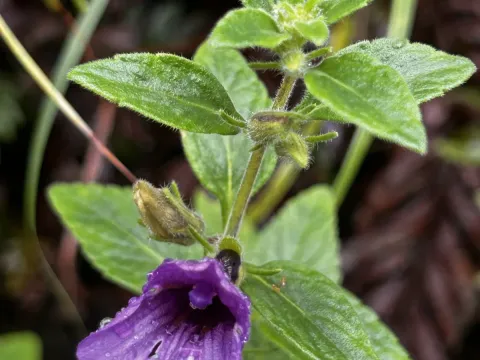
Adenosma
Adenosma
Adenosma is a genus of herbaceous plants belonging to the Plantaginaceae family, often found in tropical regions where it is valued for its aromatic and medicinal properties.
What the section contains


Adenosma
The seeds should be sown in well-prepared, fine-textured soil once the risk of frost has completely passed and soil temperatures have reached at least 20°C for optimal germination.
Due to the small size of the seeds, they are typically sown shallowly or mixed with sand to ensure even distribution across the field and better access to sunlight.
Proper spacing between rows is critical for airflow, as this significantly reduces the humidity that often leads to fungal outbreaks in dense plantings of Adenosma.
Greenhouse propagation followed by hardening and transplanting can be a highly efficient method for regions with shorter summers to ensure a mature harvest before autumn cold.
Adenosma thrives in full sun conditions, as high light intensity is necessary for the plant to produce the complex essential oils that define its market value.
The ideal soil for this crop is a sandy loam with excellent drainage, as the roots are highly sensitive to waterlogging and can quickly develop rot in heavy, dense soils.
Maintaining a neutral soil pH is recommended to support nutrient uptake, as extreme alkalinity or acidity can cause chlorosis and limit the total biomass yield.
Irrigation should be consistent but moderate, allowing the top layer of the soil to dry slightly between waterings to prevent the development of root-borne pathogens.
Regular weeding and soil aeration around the plants are essential cultural practices that promote healthy development and high-quality essential oil production.
Fungal diseases, particularly those affecting the root system, represent the primary threat to Adenosma, especially when weather conditions become exceptionally rainy or humid.
Powdery mildew can frequently appear on the leaves, necessitating preventative measures such as adequate spacing and the use of approved agricultural fungicides.
Common pests like aphids and spider mites can infest young crops, feeding on the succulent leaves and potentially transmitting viral diseases to the plants.
Integrated Pest Management (IPM) strategies, including the use of beneficial insects and biological control agents, are highly recommended over broad-spectrum pesticides.
Good field hygiene, including the removal of crop residues and the control of host weeds, is fundamental to maintaining a healthy and productive Adenosma crop.
The harvest phase for Adenosma is typically scheduled during the early flowering stage when the accumulation of secondary metabolites and essential oils is at its peak.
Plants should be harvested early in the morning after the dew has evaporated but before the heat of the day, ensuring the highest possible oil content in the leaves.
Post-harvest processing involves rapid drying in shaded, well-ventilated areas to prevent fermentation and the loss of volatile aromatic compounds that are essential for the final product.
The harvested material must be kept clean and free of soil contaminants to meet high-quality standards required for pharmaceutical and food industry use.
Proper storage in cool, dark, and dry conditions is the final step in ensuring the long-term shelf life and quality of the dried Adenosma product.