
Anarrhinum forsskaolii
Anarrhinum forsskaolii
Description
Growing requirements
Anarrhinum forsskaolii is a herbaceous plant belonging to the Plantaginaceae family, native to the arid regions of North Africa and the Arabian Peninsula. Its ability to thrive in harsh environments makes it a significant botanical subject for research into xerophytic plant behavior.
The plant exhibits specific environmental requirements, favoring sandy, well-draining soils with low organic matter content. It is perfectly adapted to intense solar radiation and minimal rainfall, making it an ideal candidate for dry-climate garden designs or restoration projects in degraded lands.
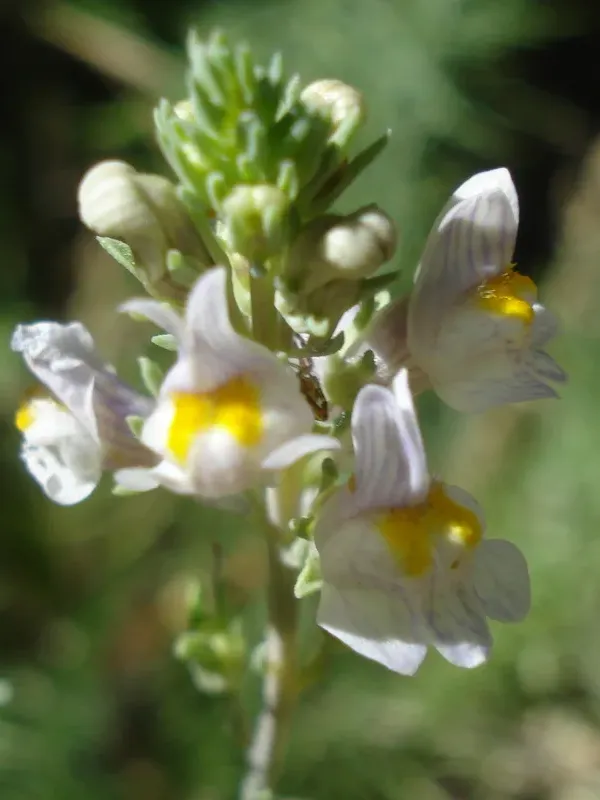
Botanically, the species is characterized by its slender stems and dense inflorescences of small flowers. It possesses a deep taproot system, which serves as a strategy for anchoring in unstable substrates and reaching deeper moisture reserves during prolonged dry spells.
Cultivation practices should emphasize minimal human intervention. Excessive soil moisture is the primary physiological stressor; therefore, careful site selection focused on elevation and drainage is essential for maintaining plant health and longevity throughout the growth cycle.
In economic terms, Anarrhinum forsskaolii is primarily utilized in the nursery trade as an ornamental for dry gardens and as a stabilizing species for loose, sandy soils. Ongoing studies continue to explore its role in local biodiversity maintenance.
Main diseases and pests
The primary threats to Anarrhinum forsskaolii are fungal diseases triggered by poor air circulation and excessive dampness. Root rot is the most common condition leading to plant loss in non-native environments where drainage is not strictly controlled.
Pest pressures are typically low in arid conditions; however, aphids can occasionally infest flower spikes. Monitoring for mites during the warmest months is recommended to prevent excessive leaf damage and ensure healthy seed development.