
Anarrhinum duriminium
Anarrhinum duriminium
Description
Growing requirements
Anarrhinum duriminium is a member of the Plantaginaceae family, native to the Iberian Peninsula. It is primarily found in Portugal, where it grows in specialized habitats such as rocky slopes, sandy banks, and crevices.
The plant thrives in well-drained, nutrient-poor soils, which are typical of its Mediterranean range. It is well-adapted to surviving long periods of summer drought, making it a resilient choice for dry, rocky garden environments.
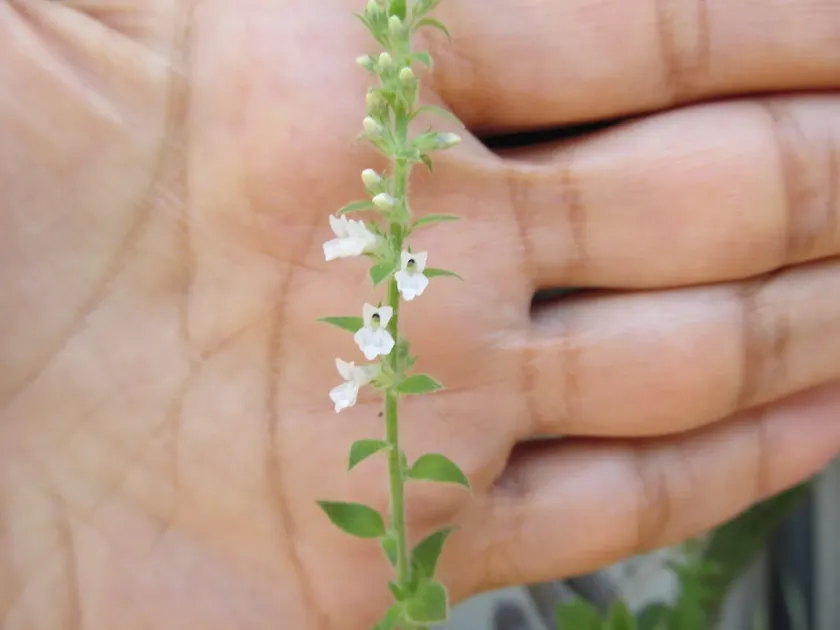
Botanically, it forms a basal rosette of foliage from which elegant, upright flower spikes emerge. The small, numerous flowers, often in shades of white to pale violet, provide a delicate and airy aesthetic characteristic of the genus.
Cultivation requires full sun and excellent soil aeration. It is crucial to avoid heavy or water-retentive soils, as the roots are highly susceptible to rot if subjected to prolonged moisture in the dormant or cold season.
In terms of usage, it is highly valued in rock gardening and as a niche ornamental plant for collectors. Due to its specific ecological needs, it is best suited for alpine houses or specialized dry-land garden beds where conditions can be strictly controlled.
Main diseases and pests
Root rot, driven by excessive soil moisture and poor drainage, represents the most significant threat to the survival of cultivated Anarrhinum duriminium specimens. Maintaining a grit-heavy substrate is essential to mitigate this risk.
Susceptibility to various fungal pathogens increases in environments with poor air circulation or high humidity levels. Ensuring adequate spacing between plants and avoiding overhead irrigation can significantly reduce the incidence of such issues.
Insect pests, although not typically devastating in small populations, can cause damage to developing spikes during the spring season. Early detection and mechanical removal are usually sufficient for management in private collections.
Invasive weed species pose a constant threat to juvenile plants, which grow slowly and are easily outcompeted for light and nutrients. Regular weeding is mandatory for the successful establishment of young crops.
Climate change and habitat loss represent the primary threats to the species in the wild. Protecting the native Mediterranean ecosystems where this plant grows is vital to maintaining its genetic diversity and long-term viability.