
Eastern Anarrhinum
Anarrhinum orientale
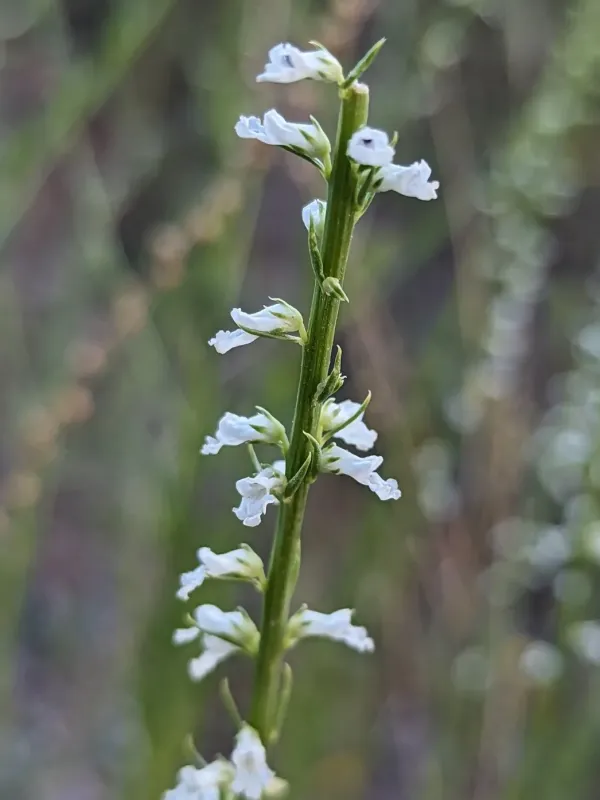
Description
Growing requirements
Eastern Anarrhinum (Anarrhinum orientale) belongs to the Plantaginaceae family. Native to the mountainous regions of the Middle East and the Caucasus, this herbaceous perennial has adapted to survive in challenging environments with rocky and gravelly terrain.
The plant features a basal rosette of leaves and slender, branched flowering stems reaching significant height. Its small, uniquely structured flowers arranged in racemes create a refined, airy texture that is highly valued in modern horticultural practices and landscape design.
The crop thrives in full sun and requires well-drained, sandy or loamy soils. It is particularly well-suited for sites with low fertility, as it has evolved to manage its resources efficiently in harsh natural habitats, making it an excellent candidate for sustainable gardening.
Regarding climate, Eastern Anarrhinum prefers environments with dry summers and well-defined seasonal shifts. It is highly drought-tolerant once established but needs protection from excessive moisture, particularly during the winter months when the crown is susceptible to rotting.
In practice, it is widely utilized for rock gardens, xeric landscapes, and border plantings where low-maintenance, high-aesthetic value plants are required. Its ability to withstand poor soil conditions makes it a versatile tool for gardeners working in arid zones.
Main diseases and pests
The primary threats to this plant are fungal pathogens related to soil water management. Root rot is the most common issue, usually triggered by poor drainage or prolonged wet conditions, which effectively suffocates the root system of the plant.
Pest pressures are generally manageable but include aphids that target tender inflorescences during the spring growth phase. Monitoring for sap-sucking insects is essential during the early stages of flower spike development to prevent malformation.
Spider mites represent a secondary threat, particularly in greenhouses or sheltered outdoor spots during heat waves. These pests thrive in dry conditions and can cause significant foliage stippling and overall vigor reduction if left untreated.
Powdery mildew can occur if air circulation is inadequate. Keeping plants spaced correctly and ensuring they have sufficient room to breathe is the most effective way to prevent the spread of fungal spores in dense garden beds.
Cultural control, including the removal of debris and maintaining a clean planting site, is recommended to minimize the habitat for pests. Avoiding excessive nitrogen fertilization is also a key strategy to prevent overly succulent growth that attracts pests.