
Antirrhinum graniticum
Antirrhinum graniticum
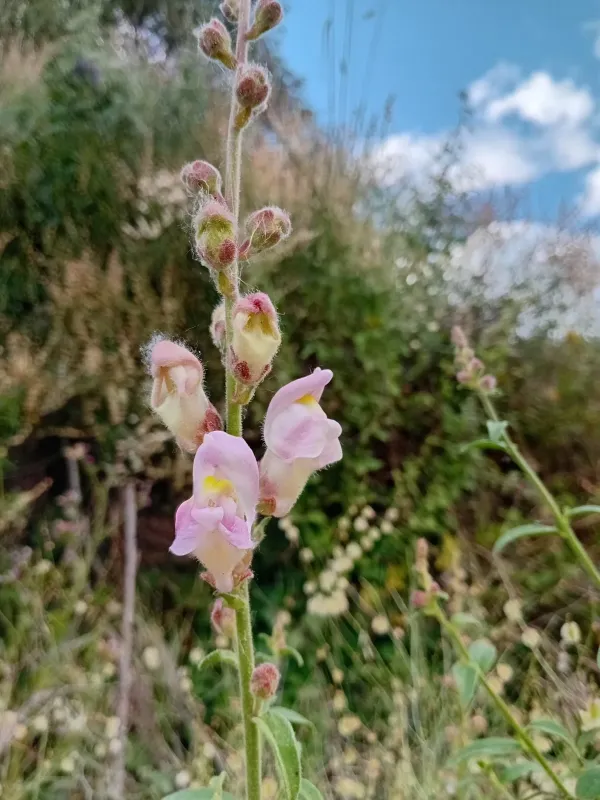
Description
Sowing dates
Sowing seeds of Antirrhinum graniticum is best performed in early spring under controlled conditions. Using a high-quality, sterile starting mix ensures healthy seedling development and prevents fungal issues.
Seeds should be surface-sown and pressed gently into the substrate, as they require light to germinate effectively. Maintain a consistent environment with moderate warmth to encourage steady growth patterns.
Transplanting seedlings to individual pots allows them to build a robust root system before being moved outdoors. Proper hardening off is essential to acclimatize the plants to open-field conditions.
Direct seeding is possible in warmer climates, although indoor sowing is preferred for consistency. Proper spacing is crucial to prevent competition and allow each plant to display its natural architecture.
The transition to permanent beds should occur only after the danger of frost has passed completely. Ensuring a stable start during the first few weeks helps in establishing the perennial root base.
Growing requirements
Antirrhinum graniticum, a member of the Plantaginaceae family, is native to rocky areas. It thrives in environments that mimic its natural habitat, emphasizing excellent drainage and air circulation.
Sunlight requirements are significant for this species, as it is a sun-loving plant. Full sun exposure ensures compact growth and promotes the development of vibrant, healthy flowering spikes.
The soil should be gritty and well-draining, avoiding any waterlogged conditions that could threaten root integrity. Amending heavy soils with gravel or coarse sand is recommended for optimal performance.
Watering management is focused on providing moisture without saturating the soil. Drought tolerance is a key trait of this plant, making it suitable for xeriscaping or rock garden applications.
Fertilization should be applied sparingly, focusing on low-nitrogen formulations to maintain the plant's natural habit. Excess nutrient supply often leads to soft growth susceptible to environmental stress.
Main diseases and pests
Fungal pathogens represent the most significant threat, particularly in damp conditions. Root rot is a common occurrence if water is allowed to stagnate near the base of the plant for extended periods.
Rust and mildew can affect foliage if air circulation is insufficient within the planting bed. Proper spacing and location choice remain the most effective preventative strategies against these diseases.
Insect pests such as aphids and spider mites may target the tender foliage during the peak growing season. Biological control agents or targeted horticultural sprays can be used to manage infestations.
Monitoring for signs of disease, such as wilting or discolored leaves, is essential for early intervention. Prompt removal of damaged plant material reduces the spread of opportunistic spores.
Winter survival is dependent on the absence of prolonged moisture around the crown of the plant. Ensuring the surrounding area is free from decaying organic matter helps reduce disease pressure.