
Antirrhinum grosii
Antirrhinum grosii
Description
Growing requirements
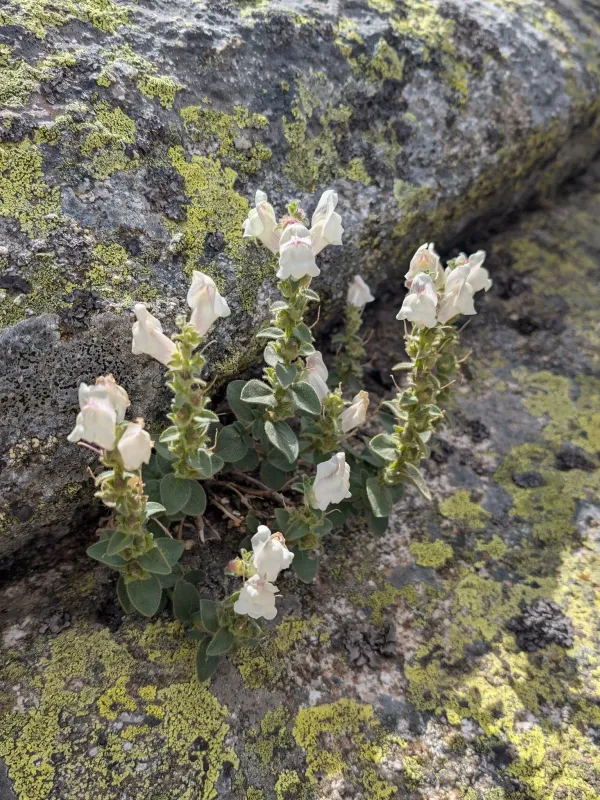
Antirrhinum grosii is a distinct species within the Plantaginaceae family, endemic to specific mountain regions in Spain. It thrives in specialized habitats, typically rocky or limestone-rich soils. These substrates are essential for the plant, as they provide the necessary drainage that prevents moisture buildup around the roots.
Climate requirements for this culture are strictly Mediterranean, favoring warm, sunny locations. The plant is highly sensitive to humidity levels; therefore, it requires a well-ventilated environment to prevent fungal issues. It performs best in temperatures ranging from 18°C to 25°C, requiring protection from extreme frost or prolonged damp weather.
Cultivation practices focus on mimicking the plant's natural habitat. Fertilization should be kept to a minimum, as the species is well-adapted to nutrient-poor, mineral-heavy soils. Excessive nitrogen can lead to weak stem development and reduced flowering. Maintaining a neutral to slightly alkaline soil pH is crucial for long-term survival.
Botanically, Antirrhinum grosii is distinguished by its specific floral morphology and a strong taproot system. This root architecture allows it to anchor firmly in rocky crevices and access deep water reserves during the arid summer months. The foliage is typically adapted to reduce transpiration, confirming its xerophytic tendencies.
Economically and scientifically, this species is primarily significant for germplasm conservation and botanical research. While not a commercial mass-market crop, it holds potential for niche horticultural applications, particularly in rock gardens or xeriscaping projects where drought tolerance is a primary requirement for the landscape designer.
Main diseases and pests
The primary threats to Antirrhinum grosii are pathogens associated with high moisture, such as root rot and powdery mildew. Pests such as aphids may also infest the plant during the active growth phase, necessitating integrated pest management strategies to protect the integrity of the plant.