
Antirrhinum braun-blanquetii
Antirrhinum braun-blanquetii
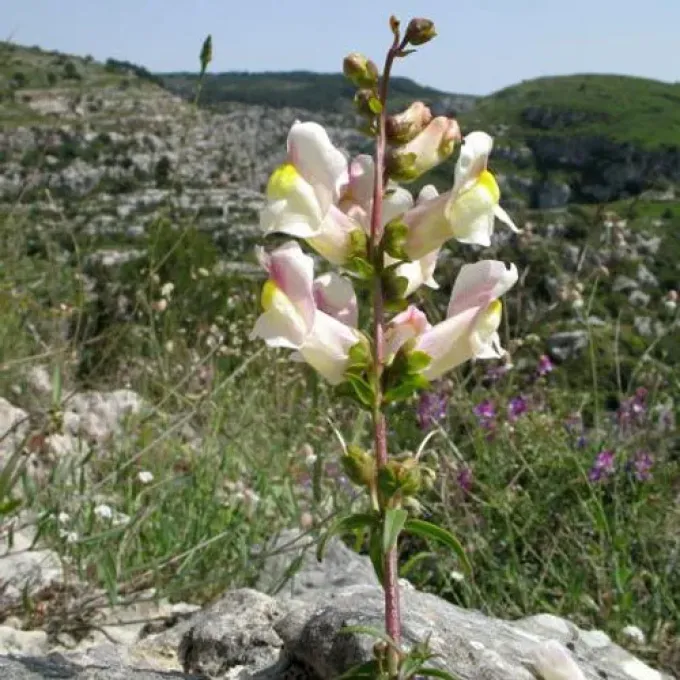
Description
Sowing dates
Antirrhinum braun-blanquetii is a herbaceous perennial belonging to the Plantaginaceae family. Native to the Iberian Peninsula, this species is distinguished by its unique morphological characteristics and limited natural range, making it a prized specimen for specialized gardening and botanical collections.
Propagation is primarily carried out through seeds, which require light for optimal germination. Seeds should be sown on the surface of a fine, well-draining substrate and maintained at a temperature range of 18–20 degrees Celsius to ensure high germination rates and uniform seedling development.
Seedlings typically emerge within two weeks, at which point it is critical to provide adequate ventilation to prevent fungal diseases such as damping-off. Once the first true leaves appear, seedlings can be pricked out into individual pots to encourage stronger root development before transplanting.
Hardening off the plants is a necessary step before moving them to the open ground. This process ensures that the young plants adapt to the fluctuations in temperature and sunlight, ultimately reducing transplant shock and promoting vigorous growth upon establishment in the garden.
The planting phase should only occur after all risk of frost has passed in the spring. Antirrhinum braun-blanquetii thrives when planted in groups, which creates a visually striking floral display and allows for easier maintenance during the peak of the growing season.
Growing requirements
This species demands full sun exposure to flourish and maintain its structural integrity. While it may tolerate partial shade in hotter climates, insufficient light levels typically result in elongated stems and a reduction in the number of inflorescences, impacting the plant's overall aesthetics.
Soil requirements for this snapdragon relative include fertile, well-structured soil with a neutral to slightly alkaline pH. Drainage is of paramount importance, as waterlogged conditions quickly lead to root rot, which is the most frequent cause of mortality in cultivated populations of this species.
Watering should be balanced, focusing on keeping the root zone consistently moist but not saturated. Drip irrigation or careful manual watering at the base of the plant is recommended to avoid getting water on the foliage and flowers, which significantly lowers the risk of foliar diseases.
Regular fertilization is essential for sustained flowering, particularly during the active growth phase. A balanced mineral fertilizer applied every few weeks helps promote flower production and ensures the plant has the nutrients required for a healthy and long-lasting display of blossoms.
Routine maintenance includes the removal of spent flower spikes, a practice that encourages the plant to direct its energy into new buds rather than seed production. This simple technique extends the blooming season significantly and helps maintain a tidy, attractive appearance in the garden.
Main diseases and pests
Powdery mildew is one of the most common fungal threats to Antirrhinum braun-blanquetii. The disease appears as a white, dusty layer on the leaves and can be effectively managed through improved air circulation, proper plant spacing, and the timely application of approved fungicides.
Root rot caused by overly damp soil conditions can compromise the vascular system of the plant, leading to wilting and death. Strict adherence to irrigation schedules and the selection of well-drained planting sites are the most effective preventive measures against this threat.
Pests such as aphids and spider mites can infest the soft tissues of the plant, causing chlorosis and stunted development. Monitoring the underside of leaves for early signs of infestation is crucial, allowing for the use of organic insecticidal soaps or specific pesticides to control the population.
Slugs and snails may target the tender leaves of young transplants, particularly in wet or humid weather. Protective barriers, such as copper tape or crushed eggshells, can be used to deter these pests without resorting to chemical solutions that might affect beneficial garden insects.
Viral infections can sometimes occur, typically transmitted by sap-sucking insects. Prevention relies heavily on maintaining a healthy, stress-free plant environment and promptly removing any individuals that show signs of systemic infection to protect the rest of the planting from potential spread.