
Algarvian plantain
Plantago algarbiensis
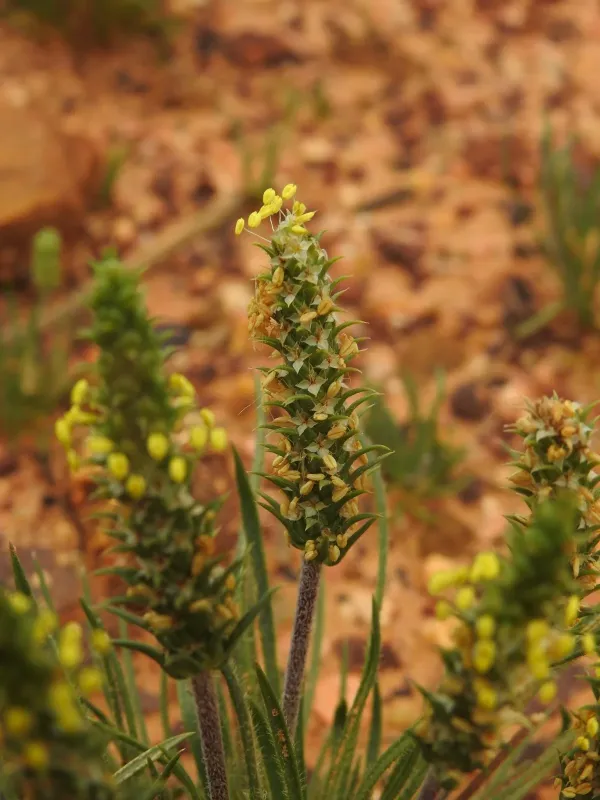
Description
Sowing dates
Algarvian plantain (Plantago algarbiensis) is a perennial herbaceous plant belonging to the Plantaginaceae family, endemic to the Iberian Peninsula, particularly found in Portugal. The crop is typically propagated by seeds sown in warmed soil during the spring, after the risk of frost has passed.
For successful germination, the seeds require a stable temperature range between 18 and 22 degrees Celsius. Seeds should be sown at a shallow depth, as they are light-sensitive and need adequate exposure to initiate growth processes effectively.
In commercial farming, seeds are sown in rows with a spacing of 30–40 centimeters between them. It is crucial to maintain optimal plant density to ensure that individual plants do not compete excessively for nutrients and sunlight during the critical establishment phase.
Pre-sowing stratification in cool conditions can enhance germination energy significantly. Using certified, high-quality seeds is fundamental for achieving uniform crop stands, which simplifies subsequent field operations and improves overall yield consistency.
Once seedlings emerge, thinning is performed to maintain a spacing of 15–20 centimeters between plants. This practice facilitates better airflow within the crop canopy, significantly reducing the likelihood of fungal infections in densely populated areas.
Growing requirements
This plant is well-adapted to Mediterranean climates, thriving in open, sunny locations with direct sunlight exposure. While generally drought-tolerant, it requires consistent irrigation during prolonged dry spells to maximize the production of vegetative biomass.
Algarvian plantain performs best in sandy or rocky soils, which mimic its natural Iberian habitat. The soil should ideally have a neutral to slightly acidic pH to provide optimal conditions for nutrient uptake and root development.
A primary requirement for successful cultivation is excellent soil drainage. The plant is highly sensitive to waterlogged conditions, which can lead to root rot within a very short period; therefore, the substrate must be highly permeable to air and water.
Mineral fertilization should be managed with caution, prioritizing potassium-based formulations to strengthen tissue structure. Excessive nitrogen should be avoided, as it can stimulate rapid leaf growth at the expense of secondary metabolites and medicinal potency.
The species tolerates diurnal temperature fluctuations well but can be sensitive to high ambient humidity. Maintaining soil health through periodic hoeing helps prevent crusting and ensures that the root system has access to sufficient oxygen levels throughout the season.
Yield
The yield of Algarvian plantain is highly dependent on the age of the plantation and strict adherence to agrotechnical standards. The plant typically reaches its peak productivity in its second and third years, forming large, robust leaf rosettes.
The harvest is conducted during the early flowering phase, as this is when the concentration of beneficial glycosides and flavonoids in the foliage is at its highest. Frequent harvesting encourages the plant to regenerate new rosettes, allowing for multiple cuts in a single season.
On average, producers can expect a yield of 1.5 to 3 tons of dried herbal material per hectare, depending on management intensity. Proper drying in shaded, well-ventilated areas is essential to maintain the color, aroma, and therapeutic value of the leaves.
Productivity is also significantly influenced by pre-planting soil preparation, including the incorporation of organic matter. Regular irrigation during the active growth phases can improve overall biomass output by as much as 25 percent.
Quality is paramount, defined by the absence of weeds, debris, and mechanical damage. The dried product should be stored in sealed, moisture-proof containers to protect it from light and environmental humidity, ensuring a long shelf life.
Main diseases and pests
The most significant threats to Algarvian plantain are root rots, often triggered by poor drainage or excessive water retention. Effective disease management relies on rigorous crop rotation and ensuring that irrigation systems are precisely monitored.
Insect pests, such as aphids and certain types of weevils, can cause substantial damage to young leaves. Growers are advised to use biological control agents to mitigate these risks while keeping the final medicinal product free from chemical residues.
Powdery mildew is a common concern in poorly ventilated crops with high humidity. Prevention strategies include maintaining proper plant spacing and ensuring that the field remains free of competing weeds that can harbor spores.
Larvae of soil-dwelling pests can damage root systems, weakening the plants and making them more susceptible to opportunistic infections. Monitoring the root zone and using soil-safe bio-insecticides are effective ways to preserve plant vigor.
Strict quarantine measures should be observed when introducing new seed lots to prevent the spread of specific viruses that affect the Plantaginaceae family. Any symptomatic plants must be rogueed immediately to protect the health of the surrounding crop.
Harvesting
The harvest season generally spans from June through August, coinciding with the peak vegetative growth phase. Leaves are gathered manually or using small-scale mechanical harvesters, taking great care to avoid damaging the central growth point.
Harvesting should never be performed during wet weather, as damp foliage is highly prone to rapid deterioration and spoilage. Once harvested, the material must be moved to the drying facility immediately to minimize moisture loss and preserve quality.
Finished herbal material should have a characteristic green hue and a pleasant, grassy scent. Drying is considered complete when the leaf blades become brittle enough to snap cleanly upon bending, ensuring long-term stability.
Post-harvest sorting is a critical step to remove any contaminants or damaged leaves. High-purity herbal material is highly valued in the pharmaceutical industry and commands a significant premium in the marketplace.
After the final cut, it is recommended to clear the field of crop residues and provide light hilling, which protects the crown from cold temperatures during the winter. This practice promotes strong regrowth for the following spring season.