
Daisy-leaved snapdragon
Anarrhinum bellidifolium
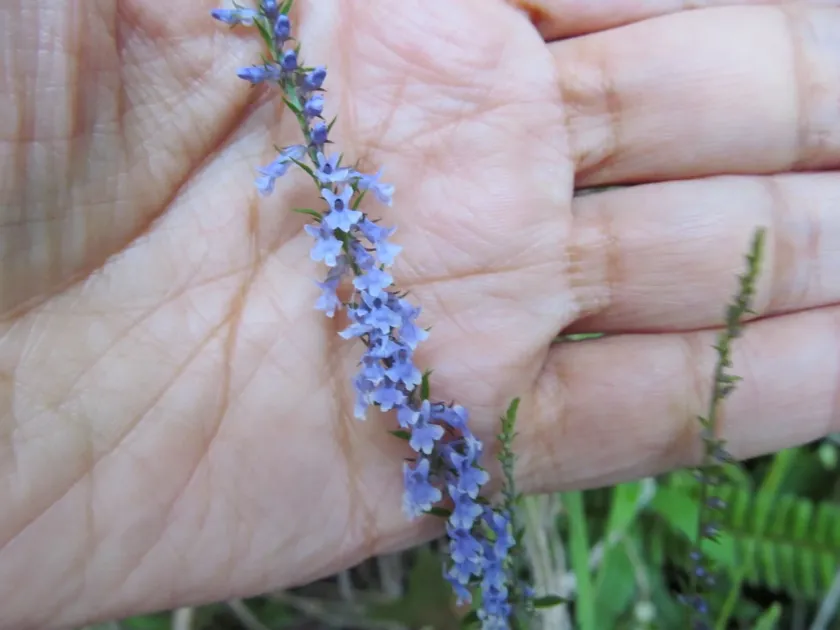
Description
Sowing dates
Anarrhinum bellidifolium is typically grown from seeds sown in late spring, allowing the plant to establish its rosette phase before the heat of midsummer.
The seeds are exceptionally small, necessitating a shallow sowing technique where they are merely pressed into a fine, well-draining seed-starting mix.
For best results, maintain a consistent temperature between 18 and 20 degrees Celsius to ensure uniform germination across the seed tray.
Transplanting should be handled with care once seedlings reach a manageable size, ensuring that the root system is not overly disturbed during the process.
Early sowing provides enough time for the plant to develop a strong root system, which is crucial for surviving the subsequent winter dormancy period.
Growing requirements
This species thrives in well-drained, sandy, or rocky soils, mimicking its natural habitat often found on dry banks or open meadows in its native range.
Full sun is essential for this plant to produce the characteristic tall spikes of small, snapdragon-like flowers that define its aesthetic appeal.
While relatively drought-tolerant once established, the plant appreciates moderate watering during the formation of flower spikes to improve bloom quality.
The plant performs best in neutral to slightly alkaline soil conditions; acidic environments can lead to nutrient deficiencies and slower overall growth rates.
Good air circulation around the foliage is a key environmental requirement to keep the plant vigorous and prevent potential moisture-related issues.
Main diseases and pests
High humidity and poor soil drainage are the most common catalysts for fungal infections, including crown rot and various types of leaf blight.
Insects such as aphids can cause damage during the active growing season, particularly when plants are stressed by unfavorable environmental conditions.
Preventative care is highly recommended, focusing on maintaining proper spacing to allow sufficient sunlight and airflow to reach all parts of the plant.
Soil-borne pathogens can be minimized by practicing crop rotation and ensuring that planting sites are refreshed and not overly saturated with nitrogen fertilizers.
Regular visual inspections of the lower leaves can help detect early signs of pest infestations, allowing for immediate intervention before the problem spreads.