
Corsican Anarrhinum
Anarrhinum corsicum
Description
Growing requirements
Anarrhinum corsicum, commonly known as Corsican Anarrhinum, is a distinct herbaceous perennial belonging to the Plantaginaceae family. This species is native to the Mediterranean region, specifically endemic to Corsica and Sardinia, where it thrives in high-altitude rocky environments and scree slopes.
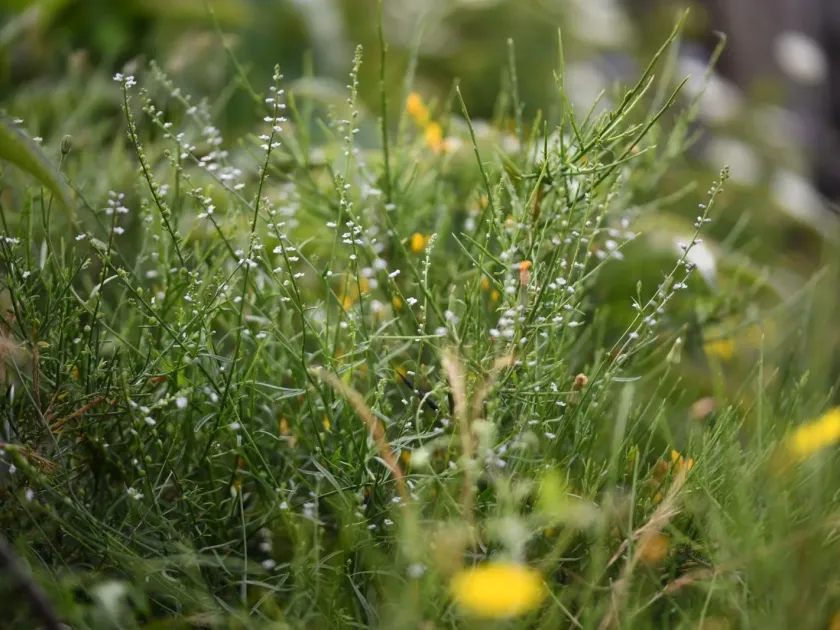
The botanical architecture of the plant includes a basal rosette of leaves and vertical flowering stems. The flowers are small, zygomorphic, and arranged in racemes, exhibiting a delicate aesthetic that makes it a sought-after subject for specialized gardening and botanical collections.
Successful cultivation of this species depends heavily on providing a substrate that mimics its natural stony habitat. The soil must be exceptionally well-drained, porous, and lean in nutrients to prevent the plant from becoming overly succulent and prone to rot during the wetter months of the year.
Environmental requirements include a location with full sun exposure and good air circulation. In agricultural and horticultural settings, this plant is treated as a low-maintenance species that can withstand significant dry spells once the root system is established, provided it is not subjected to waterlogging.
In terms of practical use, Anarrhinum corsicum is primarily utilized in alpine landscaping and rock gardens. It serves as a decorative element, appreciated for its ability to integrate into nutrient-poor, rocky substrates where more aggressive garden species would struggle to survive or maintain their structural integrity.