
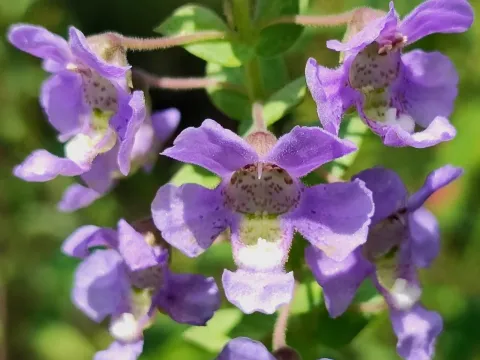
Angelonia
Angelonia
Angelonia (Angelonia) is a genus of plants in the Plantaginaceae family. Often referred to as the summer snapdragon, it is typically grown as an annual in cooler climates but functions as a perennial in tropical areas.
What the section contains


Angelonia
Seeds are surface-sown in late winter or early spring in a seed-starting mix. They require light to germinate, so they should not be covered deeply with soil, but rather pressed gently into the substrate.
Maintain temperatures between 20°C and 25°C for optimal germination. Keeping the seed tray under a clear cover or in a propagator helps maintain the high humidity levels necessary for successful seedling development.
Seedlings are pricked out into individual pots once they develop two sets of true leaves. This allows for better root development and ensures that plants are sturdy enough before being moved outdoors.
Hardening off is essential before transplanting into the garden. As a heat-loving plant, it must be protected from any risk of frost, and transplanting should only occur when temperatures are consistently warm.
Angelonia thrives in full sun exposure. While it can tolerate partial shade, maximum flowering intensity and bushy growth are only achieved when the plant receives at least six to eight hours of direct sunlight daily.
Well-drained soil is the most critical requirement for this culture. It is highly susceptible to root rot if placed in heavy, waterlogged soils, so soil structure must be loose and airy to prevent moisture accumulation.
Regular watering is required to maintain soil moisture, especially during peak summer temperatures. However, allow the top inch of soil to dry out between waterings to ensure roots receive enough oxygen.
Balanced liquid fertilizers applied every two weeks promote constant flowering throughout the growing season. High-nitrogen fertilizers should be avoided to prevent excessive leaf growth at the expense of blossoms.
This plant is exceptionally heat and humidity tolerant. It remains one of the best choices for summer containers and landscape borders in regions where other flowers might wilt due to extreme heat stress.
Common pests include aphids, spider mites, and whiteflies. These insects can cluster on the undersides of leaves or around new buds, hindering the plant's growth if left unmanaged.
Fungal diseases like powdery mildew and various root rots are the primary health threats. These typically occur when plant spacing is too tight or when airflow around the foliage is restricted.
Good cultural practices, such as proper spacing and avoiding overhead irrigation, are the best methods of prevention. Keeping the foliage dry helps reduce the likelihood of leaf-based fungal issues.
If an infestation or infection is spotted, targeted use of insecticides or fungicides is necessary. Integrated pest management, which involves regular monitoring and removal of infected debris, is recommended.
Ensuring that the growing medium is sterile before planting and avoiding over-fertilization can significantly strengthen the plant's natural resistance against common pathogens.
Angelonia is primarily valued for its ornamental use in landscape design, where it is utilized for borders, bedding, and vertical accents. Its spike-like flowers add elegance to garden displays.
The plant is excellent for container gardening. It pairs well with trailing plants, providing height and structure to hanging baskets and large planters throughout the warm months.
Deadheading spent spikes is a standard practice that encourages the plant to produce a secondary flush of blooms. This keeps the plant looking fresh and prevents energy from being directed toward seed production.
In the floral industry, angelonia stems make excellent cut flowers with a decent vase life. They are frequently used in mixed bouquets due to their upright growth habit and vibrant colors.
At the end of the season, plants can be lifted and brought indoors to overwinter in bright, cool conditions. Otherwise, they are usually composted or removed as the season transitions into autumn and winter.