
Sesame
Sesamum indicum L.
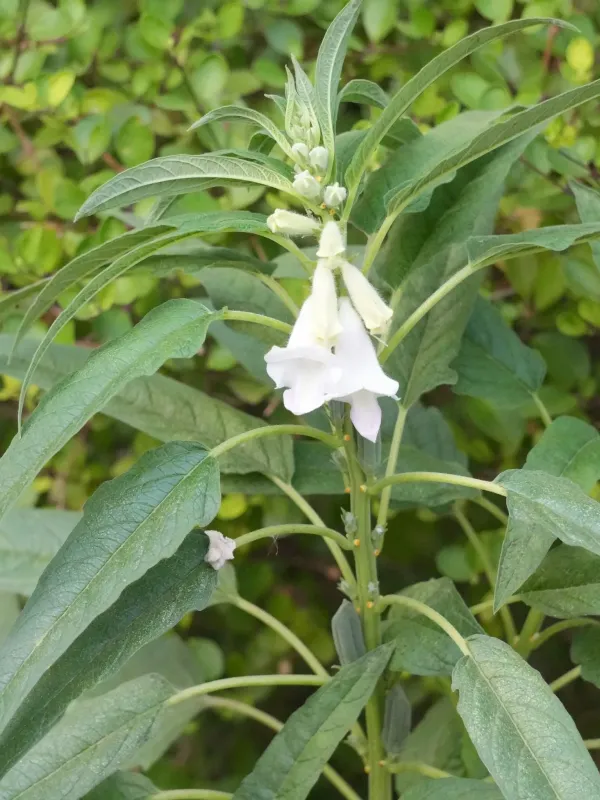
Description
Sowing dates
Sesame is a heat-loving crop that requires soil temperatures of at least 16–18°C to germinate. In temperate climates, planting is typically scheduled for late spring when all risk of frost has passed.
Seeds are usually sown in rows spaced 45 to 60 cm apart. This spacing allows for mechanical cultivation to control weeds, which is crucial during the early stages of plant growth.
The planting depth is shallow, approximately 2–3 cm. Because sesame seeds are tiny, planting them too deep significantly reduces the emergence rate and plant vigor.
The seeding rate varies based on row spacing and soil quality, generally ranging from 6 to 10 kg per hectare. Proper seedbed preparation is vital to ensure optimal soil-to-seed contact.
Seedlings typically emerge within 7–10 days under favorable conditions. Thinning is recommended shortly after emergence to ensure that each plant has sufficient space to branch out.
Growing requirements
Sesame (Sesamum indicum) belongs to the Pedaliaceae family and is native to tropical regions. It thrives in hot, sunny climates and is highly sensitive to cool temperatures and shade.
The crop is known for its excellent drought tolerance, but it requires adequate soil moisture during the flowering and pod-filling stages to maximize yield potential.
Well-drained, fertile sandy loam or silty soils are ideal for sesame production. The plant cannot tolerate waterlogging, which often leads to root rot and complete crop failure.
Sesame is a short-day plant that requires high light intensity. Optimal growth occurs at temperatures ranging between +25°C and +30°C throughout the growing season.
Weed control is the most demanding aspect of sesame agronomy. Because the plants grow slowly in the initial weeks, they are poor competitors against aggressive weed species.
Yield
Commercial sesame yields typically range from 800 to 1,500 kg per hectare, depending on the cultivar, soil fertility, and water management practices during the season.
Sesame is highly valued for its oil content, which can reach up to 60% of the seed's weight. The oil is prized for its high stability and unique antioxidant properties.
By-products such as sesame meal are rich in protein and serve as excellent supplemental feed for livestock, making the crop economically efficient for farmers.
In addition to oil production, sesame seeds are widely used in the culinary industry, including baking, confectionery, and health food manufacturing.
Modern breeding programs are focusing on non-shattering varieties to improve harvest efficiency and reduce yield loss, which remains a challenge for growers.
Main diseases and pests
Fusarium wilt is a primary fungal threat to sesame, often causing leaves to yellow and the entire plant to wilt prematurely. Crop rotation is the most effective preventative measure.
Bacterial leaf spot is another concern, especially in areas with high humidity or frequent rainfall. It results in dark, necrotic lesions on foliage and reduced yield.
Pest pressure from sesame leaf rollers and various caterpillar species can be significant. Early detection and targeted integrated pest management (IPM) are necessary.
Aphids can also cause damage by transmitting viral diseases and sucking sap from tender shoots. Monitoring for early infestations is essential to minimize losses.
- Fusarium wilt
- Bacterial leaf spot
- Sesame leaf roller
- Caterpillars
- Aphids
Harvesting
Harvesting is the most critical phase for sesame growers due to the tendency of seed pods to shatter once mature. Timing must be precise to avoid excessive field losses.
Farmers often harvest when the lower leaves turn yellow and the pods begin to change color, but before they open naturally. Plants are often cut and bundled to dry.
Mechanical harvesting using combines is possible with modern non-shattering varieties. Many farmers use desiccants to ensure uniform ripening and easier threshing.
After threshing, seeds must be cleaned of debris and dried to a moisture content of approximately 8% to prevent mold and quality degradation during storage.
Proper storage in cool, dry conditions is vital, as sesame oil is prone to oxidation if the seeds are stored under high humidity or temperature fluctuations.