
Sesamothamnus guerichii
Sesamothamnus guerichii
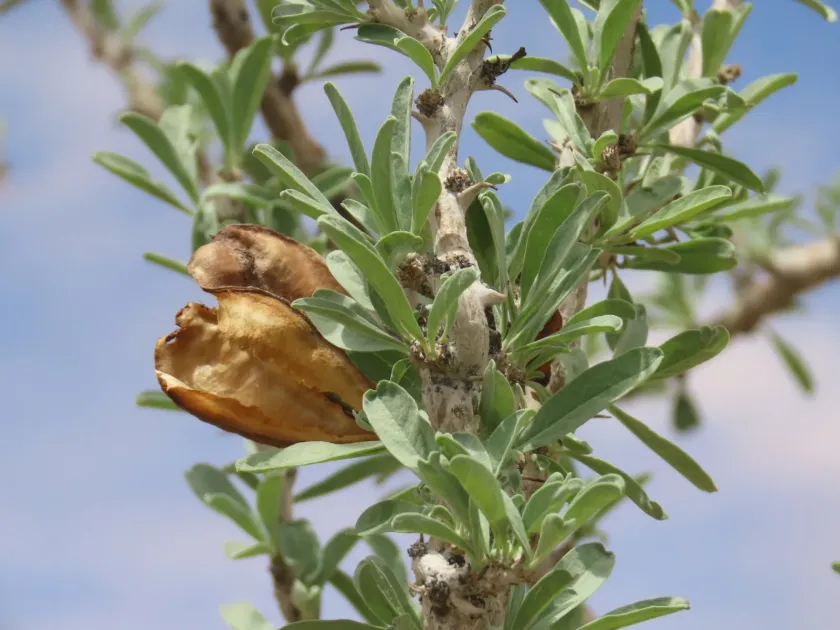
Description
Growing requirements
Sesamothamnus guerichii is a prominent species within the Pedaliaceae family, native to the arid environments of Namibia and Angola. This pachycaul succulent has evolved a specialized trunk structure to store water, allowing it to endure prolonged droughts in its natural habitat.
Cultivation of this plant requires a climate that mimics its desert origins, characterized by high daytime temperatures and significant diurnal fluctuations. The plant thrives in well-ventilated areas where excessive humidity is prevented, as high air moisture is detrimental to its physiological health.
The soil requirements are strict: the medium must be highly porous, consisting mainly of mineral components like coarse sand, gravel, and pumice. Organic matter should be kept to an absolute minimum to avoid the risk of root rot and pathogen development.
Full sun exposure is a mandatory requirement for the healthy development of this species. Inadequate light levels will cause the plant to etiolate, losing its compact, tree-like structure and becoming more susceptible to mechanical damage and disease.
During the growing season, watering must be disciplined and sparse. In the winter months, the plant enters a state of dormancy and requires a completely dry environment with temperatures maintained around 12–15°C to ensure successful survival through the inactive phase.
Main diseases and pests
Root rot is the primary threat to the health of Sesamothamnus guerichii, usually triggered by poor drainage or overwatering. Once rot symptoms appear, saving the plant becomes extremely challenging, emphasizing the need for preventative moisture control.
Mealybugs are the most common pests that infest the succulent stems and joints. Their presence can stunt growth and introduce secondary viral or fungal infections, making consistent monitoring essential during the vegetative cycle.
Spider mites represent a risk in environments with very low airflow and high heat. Regular ventilation of greenhouses or growing areas serves as a primary non-chemical method to prevent the infestation of these micro-pests.
Bacterial soft rot can occur if the plant is wounded during handling or if the tissue remains damp for extended periods. All physical injuries must be treated immediately with drying agents or fungicides to prevent the spread of decay.
Root-knot nematodes are significant subterranean pests that can devastate the root system of established plants. Using sterile, inert soil components and avoiding cross-contamination from other greenhouse plants are the best ways to mitigate these risks.