
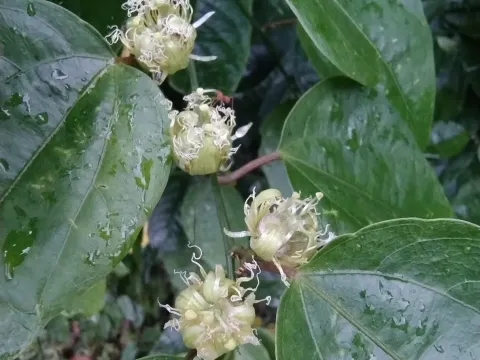
Auriculate Passion Flower
Passiflora auriculata
Propagating the Auriculate Passion Flower is best achieved through seeds or stem cuttings. Seed sowing should occur in early spring, once the environmental temperature stays consistently above 22 degrees Celsius, providing the necessary warmth for germination.
What the section contains
Auriculate Passion Flower
Seeds of this species require scarification or a prolonged soak in water to break dormancy before planting. Using a sterile, well-draining seed-starting mix is essential to prevent fungal issues during the delicate seedling phase.
Placing seeds at a shallow depth of approximately 0.5 centimeters ensures they receive sufficient light and air, which are triggers for germination. Keep the soil consistently moist but never waterlogged during the initial growth stages.
Once seedlings develop two sets of true leaves, they should be transplanted into individual pots to avoid root competition. This step is crucial for building a strong root structure capable of supporting the plant's future vigorous vine growth.
Acclimatizing young plants to outdoor conditions is necessary before final planting. Gradually increasing exposure to natural sunlight and fluctuating outdoor temperatures over a week will reduce transplant shock significantly.
Passiflora auriculata, a member of the Passifloraceae family, thrives in tropical climates characterized by high humidity and consistent warmth. It requires a location with bright, dappled sunlight to mirror its native understory habitat.
Soil quality is paramount for this vine; it prefers a fertile, loamy substrate with a slightly acidic to neutral pH. Excellent drainage is non-negotiable, as the roots are highly susceptible to rot if submerged in standing water for extended periods.
High humidity, ideally ranging between 70 and 80 percent, must be maintained. If the plant is housed in an arid environment, frequent misting or the use of humidifiers becomes a standard agricultural requirement for leaf health.
As a climbing plant, the Auriculate Passion Flower necessitates strong, vertical support systems such as trellises or wires. Pruning is essential to maintain structural integrity and to direct growth toward fruit-bearing branches.
Temperature sensitivity is a limiting factor for this crop, as it cannot survive frost. In regions outside the tropics, greenhouse cultivation or container gardening is required, allowing the plant to be moved indoors during colder months.
Yield capacity of the Auriculate Passion Flower depends heavily on proper pollination and adequate nutrition during the flowering stage. Typically, the vine begins to fruit effectively once it reaches full maturity, usually after two or three years of growth.
The fruits produced are typically small and valued for their unique biochemical profiles. Harvesting is usually performed manually to ensure only fully ripe fruits are collected, which optimizes their flavor and nutritional profile.
Consistent application of a balanced, phosphorus-rich fertilizer during the growing season significantly improves blossom retention and fruit set. Proper water management during the expansion phase prevents fruit drop caused by stress.
In greenhouse settings, hand-pollination is often required to achieve a consistent yield, as the specific natural pollinators may not be present. Using a small brush to transfer pollen between blossoms can drastically increase the number of successful fruits.
Economic success relies on balancing the crop's vegetative vigor with its reproductive phase. By pruning excessive non-bearing stems, growers can redirect energy toward fruit production, thereby enhancing total harvest quality.
Common pests such as spider mites, aphids, and whiteflies frequently target this species, especially in high-temperature, low-humidity environments. Integrated pest management strategies are recommended to keep populations below economic injury levels.
Root rot, often caused by Pythium or Phytophthora species, poses a major threat if soil aeration is poor. Maintaining strict sanitation protocols for pots and tools is the most effective way to prevent these soil-borne diseases.
Powdery mildew can infect leaves if air circulation is inadequate. Ensuring that the vine is not overly dense and that there is constant airflow in the growing area prevents the buildup of excess surface moisture.
Viral infections can cause stunted growth or distorted leaf patterns, which significantly affect overall plant health. Since these diseases are often spread by insects, vector control is a vital aspect of the overall protection strategy.
- Monitor insect populations with sticky traps.
- Utilize organic fungicides for preventative care.
- Ensure optimal spacing between plants to maximize airflow.
- Isolate new plants to prevent the introduction of pests or diseases.
Harvesting should occur daily during the peak ripening season to catch fruits at the ideal stage of maturity. Ripe fruits are usually marked by a distinct change in color and a slightly yielding texture when gently pressed.
Once harvested, these fruits have a limited shelf life and should be kept in a cool, ventilated environment. Immediate processing, such as juicing or pulping, is often the most effective way to preserve the harvest for market distribution.
For storage, fruits should be kept at temperatures between 8 and 10 degrees Celsius to maintain their nutritional composition. Proper packaging that allows for airflow while protecting the delicate skin is necessary for shipping.
At the end of the harvest season, the plant enters a period of dormancy, necessitating a reduction in irrigation and the cessation of fertilization. This transition is essential for the vine to regain energy for the upcoming cycle.
Adhering to these harvest protocols ensures that the final product reaches the consumer in the best condition, maximizing the commercial value of the crop in the niche fruit market.