
Mountain fumitory
Fumaria montana
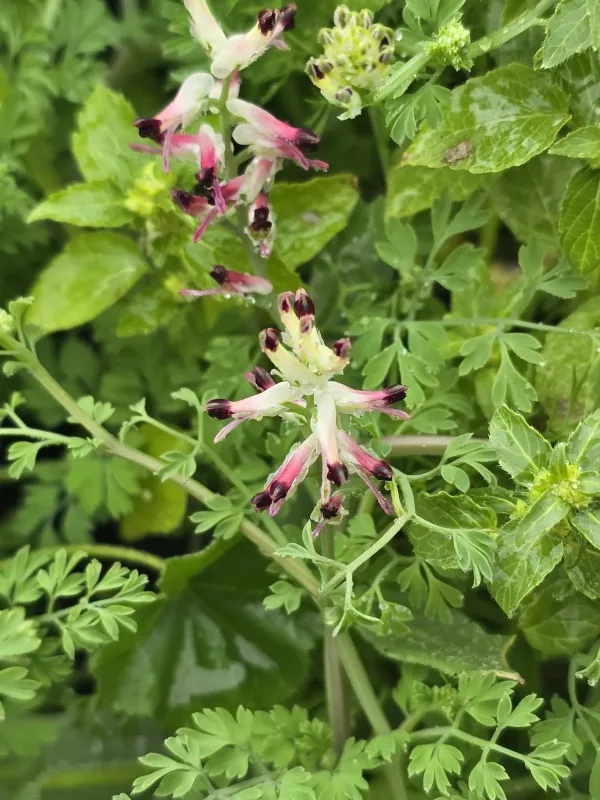
Description
Growing requirements
Mountain fumitory (Fumaria montana) belongs to the Poppy family (Papaveraceae). This herbaceous species is characterized by its adaptation to high-altitude environments and specialized mountain ecosystems where it thrives in rocky terrain.
The plant has a restricted distribution range, often found on stony scree and cliffs. Botanically, it differs from common fumitory by its distinct growth habit and morphological features adapted to intense solar radiation and cool air temperatures.
Soil requirements for this species are specific: it demands excellent drainage and a loose structure. It is highly intolerant of waterlogging, which can cause rapid root decay. A mixture of gravel and sandy soil with minimal organic matter is ideal for its development.
Climate preferences involve high light intensity and significant diurnal temperature fluctuations. The plant is cold-hardy, reflecting its origin in alpine belts, but it requires a distinct period of low temperatures to trigger normal vegetative cycles.
Cultivation practices are challenging because the species requires an environment that mimics its natural habitat. Agronomists must prioritize substrate composition and avoid over-enriching the soil, as high nutrient levels can cause weak stems.
Main diseases and pests
Primary threats include fungal pathogens such as downy mildew, which flourish if aeration is poor. Maintaining adequate air circulation around the plants is the most effective preventative measure against these infections.
Insect pests include aphids and mites that target soft tissues. These pests can multiply rapidly during periods of drought or unusually high heat, putting the plant's health at risk within a short timeframe.
Weed control is essential, as the species is a poor competitor against faster-growing invasive grasses. Manual weeding is highly recommended to protect the delicate root system from physical damage during intervention.
Over-fertilization represents a significant threat to the physiological balance of the plant. Excess nitrogen often leads to succulent, fragile stems that are more susceptible to both mechanical damage and pest attacks.
Regular inspection and sanitation of the growing site are critical for maintaining healthy populations. Implementing integrated pest management strategies helps to mitigate risks without relying on harsh chemical pesticides.