
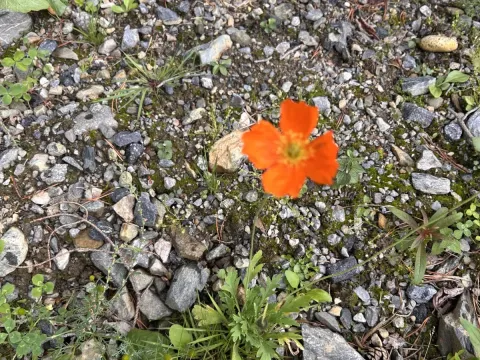
Orange poppy
Papaver croceum
Orange poppy is primarily sown in spring, as soon as the soil warms up to 10–12°C, or before winter in late October. The crop prefers direct seeding into open ground, as its taproot system does not tolerate transplanting and damage well.
What the section contains
Orange poppy
The seeds are very small, so it is recommended to mix them with sand in a 1:5 ratio for a more even distribution across the plot. When sowing, seeds should not be buried deeply; lightly covering them with loose soil or rolling is sufficient.
The optimal temperature for seed germination is 15–18°C. First sprouts typically appear within 14–20 days after sowing, requiring regular soil moisture during the initial growth stage.
An important step is thinning the seedlings, which should be performed when two true leaves appear. The distance between plants should be at least 25–30 cm to ensure proper ventilation and nutrition.
To extend the flowering period, it is recommended to sow seeds at intervals of 2–3 weeks, which will provide blooming plants throughout the entire vegetative season.
Orange poppy, belonging to the Papaveraceae family, originates from the mountainous regions of Asia and is highly demanding regarding lighting. This is a light-loving plant that requires open, sunny areas to form vibrant petals.
The culture prefers light, permeable, and well-drained sandy or loamy soils. The plant reacts extremely negatively to water stagnation in the root zone, which quickly leads to root rot.
Successful cultivation requires moderate but regular watering during drought periods. However, excessive soil moisture in the autumn can reduce the crop's winter hardiness.
The plant shows good adaptation to the climatic conditions of temperate zones, easily enduring temporary cold snaps. Nevertheless, in snowless winters with severe frosts, plantings should be mulched with organic materials.
Mineral complexes with low nitrogen content are used as fertilizers, as an excess of nutrients provokes active green mass growth to the detriment of flowering quality and bush aesthetics.
One of the most common problems when growing orange poppy is powdery mildew, which manifests as a whitish coating on the leaves. Copper or sulfur-based fungicides are used to control it.
Under high humidity conditions, plants can be affected by downy mildew. Prevention consists of following the irrigation regime and avoiding excessive thickening of the plantings.
Root rot and fusarium wilt pose a serious threat, often occurring due to poor agricultural practices and bad drainage. Affected specimens should be removed from the site immediately.
Among pests, aphids cause the most damage, sucking juices from young buds and stems, deforming the plant. Using systemic insecticides allows for effective control of insect populations.
Damage to the root system by wireworm larvae is also possible, which occurs in areas recently converted from sod. Treating the soil before planting helps to reduce the risk of pest spread.
Harvesting orange poppy seeds is carried out after the capsules are fully ripe, when they turn brown and the seeds inside rattle freely. It is important not to miss the moment to prevent self-seeding.
For decorative purposes, flower stems are cut at the beginning of bud opening, which allows the plant to stay fresh in a vase for a longer time. Cuts should be made with a sharp, clean tool in the morning hours.
If the cultivation goal is to obtain seed material, the capsules are cut along with part of the stem and dried in a dry, well-ventilated room. After drying, seeds are carefully extracted and cleaned of impurities.
Stored collected seeds should be kept in paper bags at room temperature and low air humidity. This preserves high germination rates for 2–3 years.
Plant residues after the end of the vegetative season must be removed from the site to prevent the spread of fungal diseases that overwinter in the soil and on plant debris.