
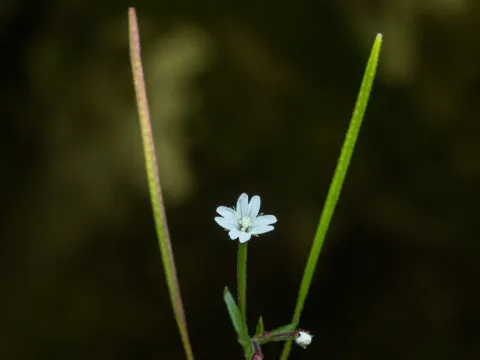
Whiteflower willowherb
Epilobium lactiflorum
Whiteflower willowherb (Epilobium lactiflorum) is a perennial herbaceous plant belonging to the Onagraceae family. It is distinctively adapted to the harsh environmental conditions of subarctic and alpine regions across the Northern Hemisphere.
What the section contains
Whiteflower willowherb
The species naturally thrives in wet, rocky habitats such as mountain stream banks and scree slopes. It plays a role in stabilizing fragile mountain soils due to its creeping or clump-forming growth habit in specific high-altitude conditions.
Environmental requirements focus heavily on soil structure and temperature. The species demands well-drained, nutrient-rich soils that prevent waterlogging, which is critical for maintaining root health in cold environments.
Climate adaptation is a hallmark of this plant. It flourishes in regions with short, cool growing seasons and is highly tolerant of sub-zero temperatures, provided it has enough moisture during the vegetative phase.
Regarding its utility, while not a commercial agricultural crop, the whiteflower willowherb is valued in botanical gardens and alpine rock garden collections. Its ecological contribution as a source of nectar for specialized high-altitude insect populations is significant.
Like many plants adapted to open, cool environments, the whiteflower willowherb is susceptible to various fungal pathogens when cultivated in suboptimal conditions. Specifically, root rot pathogens can proliferate if soil drainage is inadequate.
Pests such as aphids and certain lepidopteran larvae may occasionally feed on foliage, particularly in sheltered or warmer microclimates. Maintaining plant health through proper spacing and moisture control is the best defense against these typical threats.