
Winged water-primrose
Ludwigia decurrens
Description
Growing requirements
Winged water-primrose (Ludwigia decurrens) is an annual herbaceous plant belonging to the Onagraceae family. It is typically found in wetland habitats, riparian zones, and as a persistent weed in rice paddies.
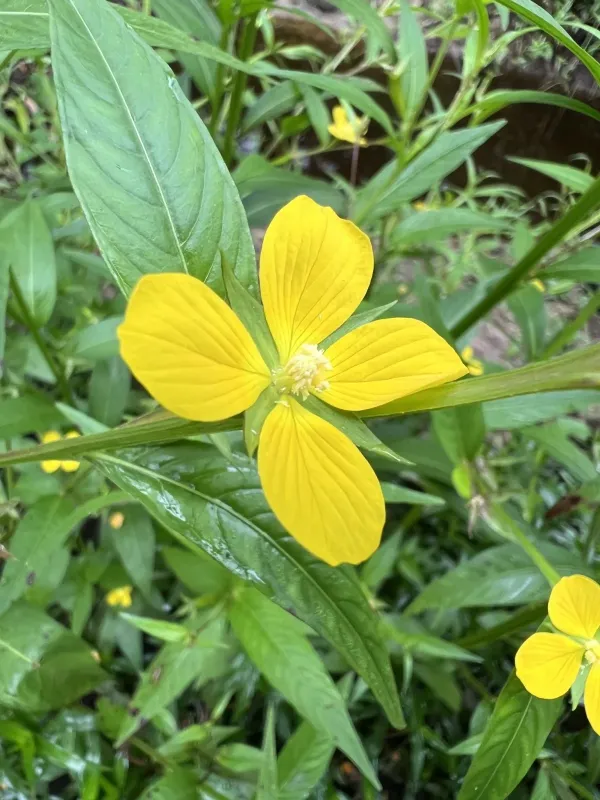
The plant is distinguished by its unique winged stems and lanceolate leaves. It produces solitary yellow flowers in the leaf axils, which are highly efficient at producing large quantities of viable seeds for dispersion.
Regarding cultivation requirements, this species thrives in wet, heavy, and silty soils. It requires high water availability and is generally found in areas with poor drainage or stagnant water conditions.
The plant demands a warm climate with significant exposure to sunlight. Its lifecycle is strictly synchronized with seasonal water levels, making it highly adapted to environments where moisture is constant during the growing period.
In agricultural practice,Ludwigia decurrens is recognized primarily for its invasive potential in irrigated fields. Management requires a combination of mechanical weeding, water management strategies, and the application of selective herbicides.
Main diseases and pests
Disease pressure in this species is primarily driven by fungal pathogens that thrive in high-humidity environments. Stem and root rots are common when the plant is stressed or over-saturated.
Pest threats include various lepidopteran larvae that target the foliage. Integrated pest management (IPM) protocols are necessary to prevent population outbreaks that could interfere with local agricultural ecosystems.