
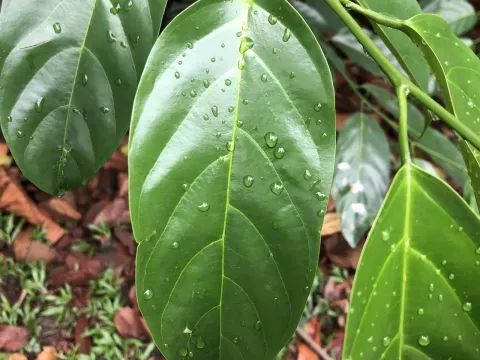
Strombosia
Strombosia
Propagation of Strombosia is typically achieved through seeds, as this remains the most reliable method for both reforestation projects and commercial tree nurseries. The ideal time for sowing coincides with the onset of the wet season, which provides the necessary humidity for successful germination.
What the section contains


Strombosia
Seeds of Strombosia species exhibit rapid viability loss if stored improperly; therefore, immediate sowing after fruit harvest is highly recommended. Pre-soaking seeds or mild scarification can improve the germination rate in controlled nursery environments.
In forest nurseries, seedlings are grown in containers until they reach a height of approximately 40 centimeters. This stage ensures that the root system is well-developed enough to survive the transition to the field environment.
Proper spacing is a vital aspect of Strombosia management, typically requiring a grid of at least 5 to 7 meters between individuals. This ensures that the tree canopy can develop fully without excessive competition for sunlight.
Maintaining high hygiene standards in the nursery is essential to prevent seedling damping-off. Using well-draining organic composts fosters vigorous early growth and creates a robust plant ready for reforestation programs.
Strombosia belongs to the Olacaceae family and is native to tropical rainforest ecosystems. It thrives in regions characterized by high, stable temperatures throughout the year with minimal seasonal thermal fluctuations.
The tree requires deep, well-draining soils with high organic matter content to reach its full potential. While it appreciates high rainfall, the species is sensitive to waterlogged conditions, which can lead to root rot.
In its natural habitat, Strombosia often grows in the understory or semi-shaded canopy, showing excellent shade tolerance. For cultivation, providing a protected environment with dappled light mimics its natural ecological niche effectively.
Soil pH levels should ideally be in the slightly acidic range. Regular mulching is recommended to maintain moisture levels and improve soil structure, which helps the trees withstand brief dry spells during the growing season.
Wind protection is essential for young trees, which are prone to damage from high gusts. Planting Strombosia in mixed species stands provides a natural windbreak and improves the microclimate for developing saplings.
The primary economic output of Strombosia is its high-quality timber. Known for its density and fine texture, the wood is highly valued in the luxury furniture industry and for intricate joinery work.
Beyond timber, Strombosia is recognized for its role in sustainable agroforestry. The tree's structure helps stabilize slopes and protects the topsoil from erosion, making it an ideal choice for environmental restoration.
Some Strombosia species produce edible seeds or fruit, contributing to local food security in tropical regions. This multi-purpose utility makes it an attractive species for agroforestry systems that focus on both resource and food production.
Harvesting timber requires long-term management strategies, as the tree takes several decades to reach a profitable maturity. Sustainable forestry practices ensure a continuous yield while maintaining the forest's overall health.
The global demand for exotic, durable timber continues to drive interest in Strombosia cultivation. With proper care and management, managed forest estates can produce premium-grade timber that meets international quality standards.
Fungal infections of the root system represent a major threat to Strombosia, particularly in nurseries where humidity is difficult to control. Implementing strict water management and using antifungal treatments are necessary precautions.
Termites and wood-boring insects are known pests that target the bark and inner wood of mature trees. Regular plantation monitoring is essential to identify early signs of infestation and prevent localized spread.
Invasive weeds can significantly stunt the growth of young saplings by competing for nutrients and water. Regular maintenance of the area surrounding each tree is a key component of successful early-stage silviculture.
Wilt diseases, often attributed to soil-borne pathogens, can cause significant losses in monoculture plantations. To mitigate this risk, it is recommended to maintain species diversity within the forest stand.
Wild animals, such as deer or local rodents, can damage the bark or young branches of saplings. Installing protective mesh or wildlife deterrents during the first three years of growth is highly effective in reducing mortality rates.