
Strombosia javanica
Strombosia javanica
Description
Growing requirements
Strombosia javanica is a prominent evergreen tree species belonging to the Olacaceae family. It is recognized for its robust growth habit and its significant presence in the dense, moist primary forests of Southeast Asia.
The plant originates from the tropical regions of Indonesia, Malaysia, and Thailand. It thrives in high-rainfall environments where humidity remains constant throughout the year, which is essential for its survival and development.
The cultivation of this species requires well-drained, nutrient-rich soil, preferably with high organic matter content. While it is adapted to forest conditions, soil aeration is crucial to prevent root rot in cultivated settings.
Temperature requirements are strictly tropical, necessitating a stable climate without frost or severe temperature fluctuations. The tree prefers sheltered locations where strong winds are naturally mitigated by surrounding vegetation.
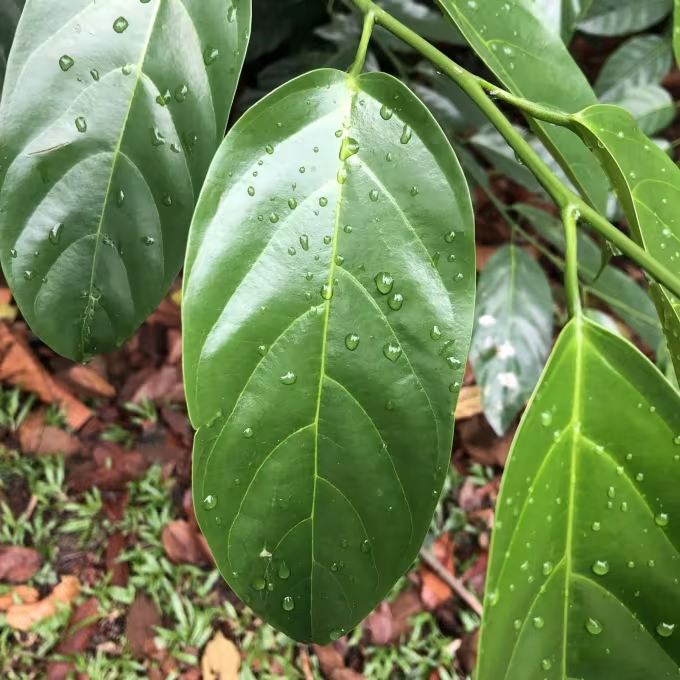
Botanically, the species is distinguished by its leathery, alternate leaves and small, inconspicuous flowers. The drupe-like fruits provide nutritional sustenance for local wildlife, maintaining the balance of the ecosystem where it grows.
Harvesting
The primary agricultural utility of Strombosia javanica lies in its edible foliage. The young, tender leaves are traditionally harvested and consumed as vegetables, appreciated for their distinct flavor and nutritional profile.
In addition to its culinary use, the tree yields hard and durable timber. While it is not a major industrial timber crop, the wood is utilized by local communities for building structures and high-quality artisan crafts.
Harvesting involves manual selection of young shoots. This practice is preferred to ensure that only the most palatable plant parts are collected, avoiding the tougher, older leaves that are less suitable for culinary use.
The harvest cycle is typically continuous throughout the year in tropical climates, as the tree produces new flushes of growth regularly if provided with sufficient water and nutrients.
Sustainable management is vital to preserve individual trees. Avoiding over-harvesting of the canopy is essential to ensure that the plant maintains sufficient energy reserves for long-term health and growth.