
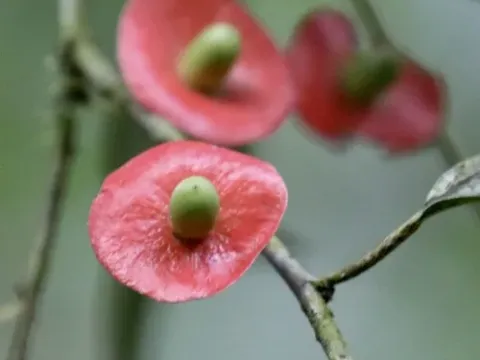
Heisteria
Heisteria
Heisteria is a genus of evergreen trees and shrubs belonging to the Olacaceae family. These plants are native to the tropical regions of Central and South America, as well as parts of Africa, thriving in the dense canopy of tropical rainforests.
What the section contains


Heisteria
The culture requires a humid tropical climate with consistently high temperatures throughout the year. For optimal development, Heisteria needs fertile, well-drained soil rich in organic matter, mimicking the forest floor conditions found in their natural habitat.
In their native environment, these plants prefer partial shade or filtered light, as direct sunlight can stress the foliage. Maintaining a high level of air humidity is essential for the healthy growth and physiological processes of the Heisteria species.
Agronomic cultivation of Heisteria on a commercial scale is limited due to strict environmental requirements. The plant is primarily found in botanical gardens or experimental research plots where its medicinal bark and fruit properties are studied.
Botanically, the genus is characterized by leathery leaves and small, often inconspicuous flowers appearing in the leaf axils. The fruit is typically a fleshy drupe, which provides a vital food source for tropical wildlife, assisting in the dispersal of the seeds.
As Heisteria is not widely cultivated as a major crop, there is limited documentation regarding its specific pests. In the wild, these trees may occasionally face pressure from common tropical forest pests, including various leaf-eating insects and ants.
Fungal infections pose a potential threat in environments characterized by excessive moisture and poor air circulation. Effective disease management involves ensuring proper plant spacing and maintaining a highly efficient drainage system.
Root rot remains a concern if water is allowed to stagnate, necessitating careful monitoring of soil moisture levels. In their natural ecosystem, these plants exhibit a high degree of resilience to local pathogens due to strong natural defense mechanisms.
Pests such as scale insects or spider mites may occur if humidity levels are poorly managed in greenhouse conditions. Regular inspections of the foliage are recommended to ensure early detection and management of potential infestations.
Specific viral diseases affecting Heisteria have not been extensively researched, as the plant currently lacks significant commercial importance in the global agricultural sector.