
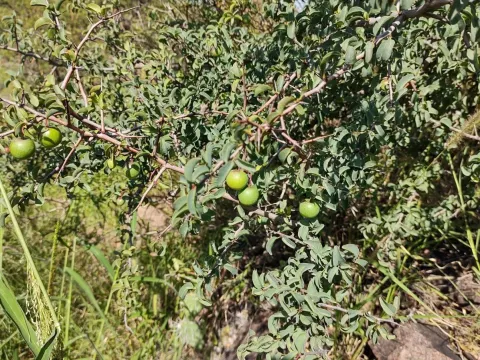
Ximenia
Ximenia
Ximenia is a genus of shrubs or small trees belonging to the Olacaceae family. These plants are native to tropical regions globally and are well-adapted to varied environmental conditions, often thriving in poor, sandy, or rocky soils where other crops struggle.
What the section contains


Ximenia
One of the most fascinating biological features of Ximenia is its hemiparasitic nature. The root system is capable of forming haustorial connections with the roots of host plants to absorb essential nutrients and moisture, which facilitates its survival in arid or nutrient-deficient landscapes.
Climate requirements for Ximenia are strictly tropical. It prefers warm temperatures year-round and is highly intolerant of frost, which limits its commercial cultivation to frost-free zones. Adequate solar radiation is essential for the plant to achieve vigorous growth and development.
When selecting a site for plantation, well-draining soil is the most critical factor. Waterlogged soils can quickly lead to root rot and other physiological stressors, so elevated or sloped land is generally preferred for optimal drainage.
Planting density should be calculated based on the specific species and the intended use of the crop. Providing sufficient space between plants ensures better aeration and sunlight penetration, which in turn reduces the risk of humidity-related pathogens.
The economic value of Ximenia is driven primarily by its oil-rich seeds and edible fruits. The fruit, often called sea lemon or tallow plum, provides a sweet-tart pulp that is suitable for processing into beverages, jams, and jellies, making it a valuable crop for smallholder farmers.
Seeds are highly prized for their high oil content, often exceeding 50%. This oil is chemically stable and widely used in the cosmetics industry for skin care products and as a natural emollient, contributing to the growing global demand for natural plant-based oils.
Beyond the fruit and seeds, the bark and roots of the Ximenia plant contain significant amounts of tannins. This makes the plant a secondary source of raw material for the tanning industry, particularly in regions where traditional tanning methods are practiced.
The timber of mature Ximenia trees is dense and durable, often utilized in artisanal woodworking for carving small objects or creating furniture. This multi-purpose utility makes the crop highly attractive for integrated agroforestry systems.
Consistent yields are achievable through proper pruning techniques, which encourage the growth of new fruiting branches. With good management, Ximenia trees begin producing fruits within a few years of planting and can remain productive for a long period.
Ximenia possesses strong natural defenses, including various secondary metabolites that provide inherent resistance to many pests and diseases. This makes it an ideal candidate for low-input agricultural systems, reducing the need for synthetic chemical intervention.
However, during periods of high humidity or poor ventilation, the plant may become susceptible to mild cases of powdery mildew. Ensuring proper spacing and keeping the foliage dry are effective preventative measures against fungal issues.
Pests such as scale insects or spider mites may occasionally infest young leaves or new shoots. These are typically managed by monitoring the crop and utilizing natural predators or organic horticultural oils if an infestation exceeds economic thresholds.
Root system health is paramount; therefore, avoiding over-irrigation is the primary defense against pathogens. A balanced approach to watering and a focus on soil porosity will mitigate most risks associated with soil-borne infections.
By maintaining a healthy ecosystem around the plantation, farmers can leverage natural beneficial insects to keep pest populations at bay, ensuring the long-term sustainability and productivity of the crop.