
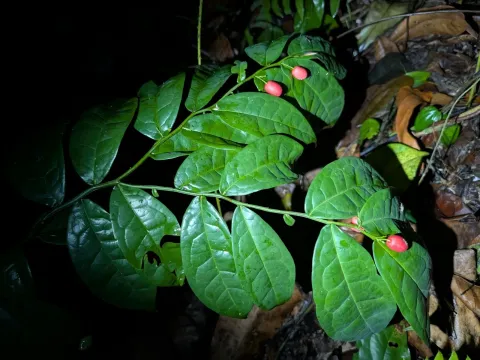
Ptychopetalum
Ptychopetalum
Ptychopetalum is a genus of shrubs or small trees within the Olacaceae family, primarily native to the tropical rainforests of the Amazon basin. It is most recognized for its bioactive properties, often referred to commercially as Marapuama.
What the section contains

Ptychopetalum
The plant thrives in environments characterized by high humidity, stable tropical temperatures, and consistent annual rainfall. In an agricultural setting, it requires shade-grown conditions to mimic the canopy of its natural habitat.
Soil requirements are strict: the substrate must be well-drained, acidic, and rich in organic matter. Proper water management is essential, as waterlogging is one of the most common causes of plant failure during the early growth stages.
Cultivation practices involve slow-growth management, where young plants require specialized nursery care. The transition from nursery to field conditions must be gradual to ensure the survival and vigor of the root system.
The primary economic value of Ptychopetalum lies in its bark and root system, which contain alkaloids and essential oils used in the pharmaceutical and supplement industries. It is highly valued for its traditional medicinal applications.
The main threats to Ptychopetalum plantations include tropical fungal pathogens that proliferate during periods of stagnant air and excessive moisture levels in the growing environment.
Pests such as leaf-cutter ants and various sap-sucking insects represent a significant challenge in tropical cultivation, as they can rapidly defoliate younger, less resilient plants.
Root-knot nematodes can also pose a serious risk to the health of the plant, especially when the soil structure is compacted or lacks sufficient biodiversity to support natural defenses.
Integrated pest management strategies are crucial for maintaining healthy crops, focusing on biological controls and the enhancement of soil microbial health to suppress pathogen development.
Regular sanitation of the cultivation area, including the removal of debris and infected plant tissues, is recommended to mitigate the impact of disease outbreaks within commercial batches.