
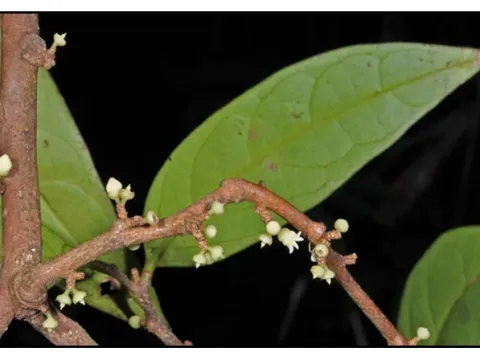
Anacolosa
Anacolosa
Anacolosa is a genus of evergreen trees and shrubs belonging to the Olacaceae family. In their natural habitat, these plants propagate primarily through seeds, which require specific temperature conditions for germination.
What the section contains

Anacolosa
In cultivation, seeds must be sown immediately after harvesting, as they have low longevity and quickly lose viability if allowed to dry out. The ideal time for sowing coincides with the onset of the rainy season, ensuring natural soil moisture.
Successful germination requires a loose, organic-rich substrate that mimics the leaf litter of a tropical rainforest floor. Seeds are typically sown at a depth of 2–3 centimeters, allowing the seedling to emerge efficiently.
Nursery propagation in controlled microclimates is the preferred method for high-quality plant stock. Once seedlings reach a height of 30–40 centimeters, they are ready to be transplanted into permanent soil with adequate drainage.
Growth intensity during the first years of the plant's life is relatively slow. Therefore, providing protection from intense direct sunlight and regular weeding around the base of the plant are essential for establishment.
As a typical inhabitant of tropical forests, Anacolosa thrives in environments where air humidity remains high, ideally staying between 70–80 percent throughout the year.
The plant prefers fertile, deep soils with a neutral to slightly acidic pH, which must offer excellent water permeability. Waterlogging in the root zone is detrimental and often leads to the development of fatal fungal infections.
The optimal temperature range for stable vegetation is between 22 and 30 degrees Celsius. The crop is highly sensitive to abrupt temperature changes and cannot withstand even short-lived frosts, which cause terminal shoot dieback.
Agronomic practices recommend planting in partial shade or under the canopy of taller trees. This recreates the effect of natural diffused light, which is characteristic of the lower strata of a tropical forest.
Fertilization should be moderate, focusing on organic sources. Mineral fertilizers with high nitrogen content should be used sparingly and only during early growth stages to stimulate vegetative mass development.
The economic value of Anacolosa lies in its fruits, which are drupes containing edible, oil-rich seeds. Yield varies significantly depending on the age of the tree and local environmental conditions.
Trees typically begin fruiting 5–7 years after planting, with peak productivity occurring between 15 and 20 years. Harvest frequency depends on the specific species and local climatic patterns.
The fruits are valued by local communities for their nutritional quality, with flavor profiles often compared to specific types of nuts. The oil extracted from the kernels possesses a unique chemical composition.
Harvesting is performed manually by picking ripe fruits from the branches or gathering them from the ground. It is critical to avoid prolonged contact with moist soil to prevent spoilage and rotting.
Post-harvest processing involves immediate cleaning of the pulp and thorough drying of the seeds, which extends shelf life and prevents the growth of harmful microorganisms.
Major threats to Anacolosa plantations include typical tropical forest pests such as leaf-eating insects and various species of weevils that infest the seeds.
Root rot, caused by pathogenic fungi such as Phytophthora, is a severe disease triggered by improper irrigation schedules or poor soil drainage.
Additionally, phytophagous insects that damage the bark of young trees are critical threats, as these wounds facilitate the entry of secondary bacterial infections.
Pest management requires an integrated approach, involving regular monitoring, timely pruning of affected plant parts, and the application of biological insecticides.
Prevention relies on strict adherence to agronomic standards: maintaining adequate spacing between trees to prevent overcrowding and ensuring proper nutrition to boost plant immunity.
Harvesting Anacolosa fruits requires caution to avoid damaging the tree's delicate bark, especially in younger specimens. Hand-picking with soft tools is the recommended method for collection.
Maturity is indicated by changes in the skin color and a distinct, characteristic aroma. Overripe fruits tend to drop quickly, necessitating daily plantation inspections during the peak ripening season.
After collection, the drupes undergo a depulping stage to remove the fleshy exterior. This is necessary to prevent fermentation and the development of unpleasant odors that can taint the nut's quality.
Drying of the seeds should occur in shaded, well-ventilated areas to preserve the integrity of the natural oils and prevent the kernels from overheating under direct sunlight.
Stored seeds should be kept in airtight containers in a cool, dry place, away from rodents and sources of humidity that could lead to mold growth.