
Strombosia ceylanica
Strombosia ceylanica
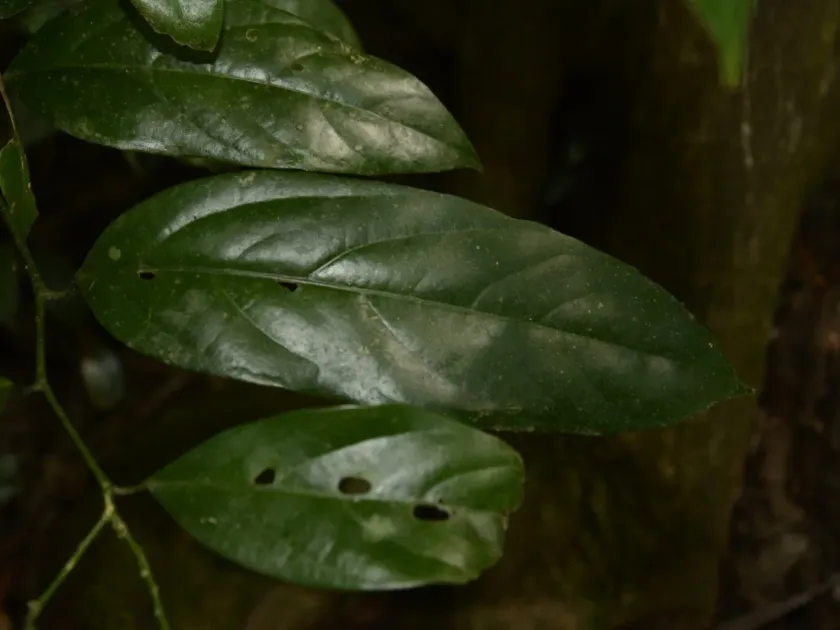
Description
Growing requirements
Strombosia ceylanica is a notable evergreen tree member of the Olacaceae family. It is natively distributed across the tropical regions of Southeast Asia, thriving in the dense, humid rainforests of countries like Malaysia, Indonesia, and Sri Lanka.
This species requires a consistent supply of moisture and warm temperatures to maintain its metabolic activities. It performs exceptionally well in well-drained, nutrient-rich soils that mimic the organic-dense environment of a forest floor.
Environmental conditions must be kept within the tropical range, avoiding any exposure to frost or prolonged dry spells. High atmospheric humidity is crucial for the optimal expansion of leaves, which are the primary agricultural output of the plant.
The plant is categorized as shade-tolerant during its early growth stages. As it matures, it can withstand stronger light levels, although it is often managed within agroforestry setups to maintain the microclimate of the lower canopy.
Agricultural management involves regular weeding and the application of composted organic matter to sustain fertility. Due to its sensitivity to soil compaction, maintaining a loose and aerated rhizosphere is a key factor for healthy tree development.
Harvesting
The primary agricultural use of Strombosia ceylanica involves the harvesting of its young leaves. These are highly prized in traditional diets for their unique flavor profile and are typically prepared as a green vegetable.
Harvesting is performed by hand, targeting the tender shoots and newly unfurled leaves. This method of plucking acts as a form of pruning, which encourages the development of side branches and increases the future leaf yield of the plant.
Timber production is another significant aspect of this species' utility. The wood is recognized for its density, durability, and resistance to environmental degradation, making it suitable for high-quality local construction projects.
In terms of propagation, seeds can be collected from mature fruits. However, they require immediate planting after extraction to maintain viability, as they are susceptible to desiccation and quickly lose their germination potential.
Post-harvest handling is critical for preserving the quality of leaf products. Immediate refrigeration or keeping the harvested bundles in high-humidity, cool environments is recommended to prevent rapid wilting and nutrient loss.