
Strombosia scheffleri
Strombosia scheffleri
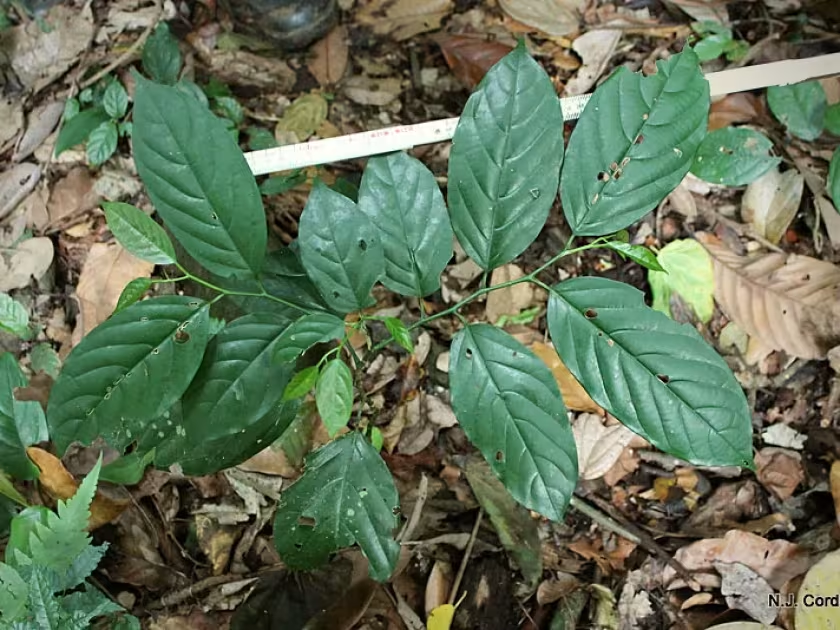
Description
Growing requirements
Strombosia scheffleri is an evergreen tree species belonging to the Olacaceae family. It is native to the tropical montane forests of East Africa, where it plays a significant role in the local ecosystem structure.
The species requires fertile, well-draining soils with high organic matter content for optimal growth. It thrives in humid tropical climates that are characteristic of its native mountain ranges, typically at specific elevation levels.
Climate requirements include consistent annual precipitation and moderate temperatures throughout the year. While the tree can adapt to various light conditions, partial shade is highly beneficial during the early establishment of seedlings.
Botanically, it is characterized by its dense crown and high-density wood. Its structure allows it to withstand strong winds in mountainous areas, while its root system provides essential soil stabilization services.
Economic use of the tree is primarily focused on sustainable timber harvesting. The wood is highly regarded for its durability and resistance to biological decay, making it a valuable resource for construction and furniture manufacturing.
Main diseases and pests
Fungal pathogens represent the most significant threat to Strombosia scheffleri nurseries, particularly when soil moisture management is inadequate. Root rot can quickly destroy large sections of young plantations if left unchecked.
Stem-boring insects are the primary pest concern, as their larvae damage the internal structure of the wood. Such damage reduces the timber quality and can eventually weaken the tree, making it susceptible to windthrow.
Habitat loss due to land conversion is an ongoing threat to natural populations. Protecting existing forest corridors is essential to maintain the genetic diversity of this species and ensure its survival in the wild.
Herbivory by local wildlife can significantly hinder the growth of young trees in open areas. Implementing protective measures such as physical barriers is a standard practice in agroforestry for this crop.
Integrated pest management strategies are recommended to mitigate these risks. These strategies involve routine monitoring for early signs of infestations and maintaining healthy, balanced soil ecosystems to encourage natural resistance.