
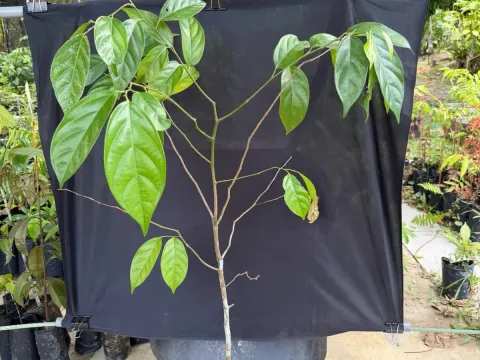
Scorodocarpus
Scorodocarpus
Scorodocarpus (specifically Scorodocarpus borneensis) is a tropical tree belonging to the Olacaceae family. Native to the dense, humid rainforests of Southeast Asia, including Borneo and Peninsular Malaysia, it is a significant member of the tropical ecosystem known for its impressive height.
What the section contains

Scorodocarpus
The plant thrives in a strictly tropical climate characterized by constant high temperatures and consistent annual rainfall. It requires a humid environment to sustain its growth cycle and lacks tolerance for frost, drought, or extreme seasonal weather fluctuations.
In terms of edaphic requirements, Scorodocarpus prefers well-drained, nutrient-rich soils. It typically develops in low-lying rainforest areas where soil fertility is maintained by organic leaf litter decomposition, ensuring the tree remains robust despite intense competition for light.
Botanically, the genus is most famous for the distinct garlic-like odor produced by its wood, leaves, and fruits. This strong scent is a chemical signature of the tree, which serves as an evolutionary adaptation to deter herbivores and pests in its native habitat.
From an agricultural and commercial perspective, Scorodocarpus is primarily cultivated or managed for its high-quality timber, known commercially as Kulim. The wood is exceptionally hard and resistant to biological degradation, making it valuable for heavy construction and flooring.
Harvesting of Scorodocarpus is generally regulated, focusing on selective logging to protect natural forest stands. The culinary harvest of its fruit and leaves is typically conducted by indigenous communities, who gather them from mature trees during the peak ripening season for use as a flavoring agent.