
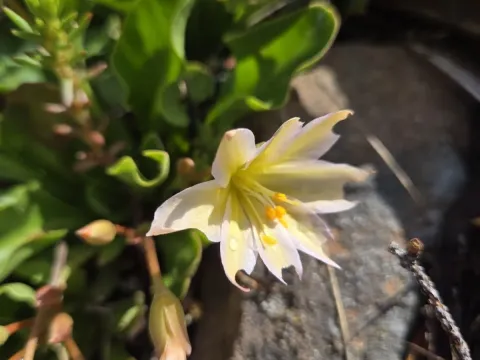
Lewisiopsis
Lewisiopsis
The cultivation of Lewisiopsis requires precise handling of seeds, which are known for their specific germination patterns.
What the section contains
Lewisiopsis
Successful sowing usually involves a cold stratification period to break dormancy and stimulate embryo development within the seed coat.
Using a mineral-based substrate with high drainage capacity is essential for preventing pre-emergence damping-off in this delicate species.
Sowing should ideally occur in late winter or early spring, ensuring that the seedlings receive sufficient indirect sunlight during their initial growth.
Careful spacing during the transplanting phase is crucial to ensure that each plant receives adequate ventilation and light exposure as it matures.
Lewisiopsis is a genus belonging to the Montiaceae family, often characterized by its succulent leaves and adaptation to alpine environments.
The plant thrives in sites that offer excellent drainage, such as rock gardens or specialized containers with gritty, inorganic soil mixes.
Bright, filtered light is preferred, as intense direct summer sun can cause physiological stress and leaf scorching in some growing regions.
Water management is the most critical aspect of the plant's requirements, needing a 'soak and dry' approach to prevent rot in the root system.
Adequate air circulation is vital, as the plant is adapted to the breezy conditions of its natural mountainous habitat.
The primary threats to Lewisiopsis are pathogens that thrive in wet conditions, particularly soil-borne fungi like Rhizoctonia and Pythium.
Inappropriate watering practices often lead to crown rot, which is frequently lethal to the succulent rosette structure of the plant.
Pests such as mealybugs and aphids can hide in the dense foliage, necessitating regular monitoring and integrated pest management strategies.
Stagnant air and high humidity levels exacerbate the risk of fungal leaf spots, which can disfigure the plant's appearance rapidly.
Preventative measures include maintaining a clean growing environment and avoiding overhead irrigation to keep the foliage dry at all times.