
Lewisia hybrids
Lewisia hybrids
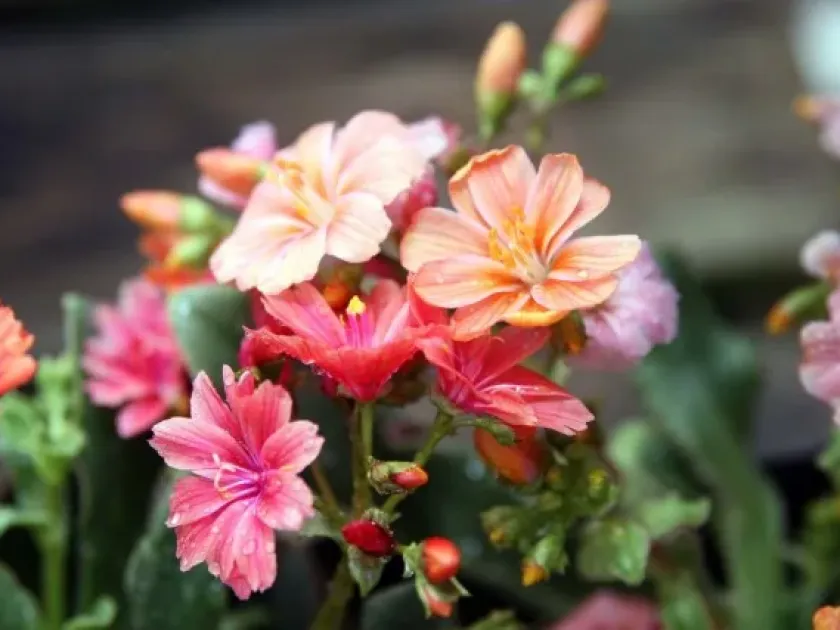
Description
Sowing dates
Lewisia hybrids are propagated mainly through seeds, which require a cold stratification process to break dormancy and ensure uniform germination.
The ideal time for sowing is late winter, allowing the seedlings to develop a strong root system before the onset of the summer heat.
Use a sterile, well-draining seed-starting mix and barely cover the seeds with a fine layer of grit or sand to allow sufficient light access.
Maintain consistent moisture but avoid waterlogging, keeping the seed trays in a cool environment with temperatures around 15-18 degrees Celsius.
Prick out the young plants carefully once they have developed their first true leaves to prevent competition in the propagation containers.
Growing requirements
Belonging to the Montiaceae family, Lewisia hybrids are specialized succulents known for their beautiful rosettes and vibrant, multi-colored flowers.
These plants thrive in environments that mimic their native rocky slopes, requiring excellent drainage and a soil composition rich in mineral content.
Placement is critical; they prefer bright, indirect sunlight, as intense mid-day heat can damage the succulent leaves during the peak of summer.
Irrigation must be handled with extreme care, as crown rot is a major risk if moisture collects between the leaves of the rosette.
In terms of soil, a mixture of grit, sand, and organic humus provides the necessary structure to support healthy growth and prevent root decay.
Main diseases and pests
The primary concern for Lewisia hybrids is root and crown rot, typically caused by excess humidity and insufficient drainage in the growing medium.
Pests such as slugs and snails are frequent visitors, especially in cool, damp seasons, and can decimate the succulent foliage overnight.
Aphids might infest the flower stalks during the blooming period, requiring gentle but effective treatment with horticultural soaps.
Good air circulation is essential to prevent the spread of fungal spores and ensure the leaves dry quickly after any rainfall.
Cultural control, such as top-dressing the soil surface with pebbles, acts as an effective physical barrier against pests and soil-borne pathogens.