
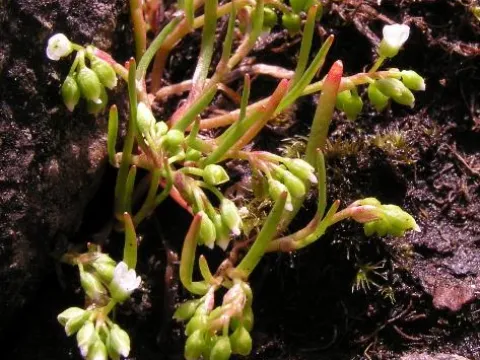
Montiastrum
Montiastrum
Montiastrum is a genus of herbaceous plants belonging to the Montiaceae family. These plants are known for their distinctive succulent-like morphology, which allows them to thrive in varied environmental conditions, primarily in North American habitats.
What the section contains
Montiastrum
The origin of the genus is traced to western North America, where they typically grow in moist, open environments such as streambanks and meadows. As a cultivated crop, they are valued for their resilience in cooler climates and specific ecological adaptation.
Botanically, Montiastrum plants possess fleshy leaves that store water, assisting in survival during short dry spells. The root system is relatively shallow, requiring a stable soil moisture profile to ensure consistent growth and physiological development.
For successful cultivation, the soil must be well-drained and rich in organic matter. A neutral to slightly acidic pH is preferred, as this range optimizes the uptake of essential micronutrients necessary for robust vegetative growth.
Climatic requirements involve moderate temperature regimes, avoiding prolonged exposure to extreme heat. Proper site selection in agricultural settings usually prioritizes spots with partial shading to prevent midday heat stress and preserve soil humidity.
The primary threats to Montiastrum crops are fungal pathogens, specifically root rot, which occurs when soil drainage is insufficient. Keeping the root zone aerobic is essential to prevent the spread of soil-borne diseases.
Slugs and snails are the most prominent pests, often targeting the succulent leaves and stems. Integrated pest management strategies, such as physical barriers or biological controls, are recommended to protect younger plants from damage.
Powdery mildew represents a significant risk in humid or poorly ventilated conditions. Ensuring adequate spacing between plants is a critical preventive measure that promotes airflow and reduces pathogen prevalence across the field.
Aphid infestations may occur during periods of rapid growth, affecting the vigor of the plant by draining essential sap. Early detection and targeted treatment can prevent widespread damage and ensure the longevity of the crop cycle.
Sanitation practices, including the removal of debris and invasive weeds, are fundamental for maintaining healthy plant stands. These measures help break the disease cycle and limit the habitat available for both pests and harmful fungi.