
Mopane
Copaifera mopane
Copaifera mopane, commonly known as mopane, is a deciduous tree belonging to the Fabaceae family. It is native to the hot, arid low-lying areas of Southern Africa, where it thrives in conditions that are inhospitable to many other species.
What the section contains
Mopane
The tree exhibits high tolerance for saline and alkaline soils, which are often found in the regions it occupies. It prefers warm climates and is particularly well-adapted to areas with high temperatures and distinct dry seasons.
For optimal growth, mopane requires full sun exposure and deep, clay-rich soils that can retain moisture for long periods. Although it is incredibly drought-tolerant, young seedlings require some care during their establishment phase to ensure proper root development.
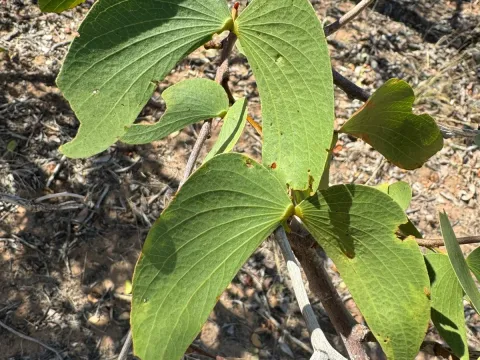
The tree's biological structure is designed for efficiency; its butterfly-shaped leaves fold to minimize water loss during the hottest parts of the day. This adaptation allows the tree to maintain its metabolic functions even under significant thermal stress.
Agricultural management of mopane requires attention to spacing, as the trees tend to compete for groundwater in denser stands. Proper thinning is recommended in plantation settings to ensure that the remaining trees have access to sufficient resources.
The primary economic output of mopane is its exceptionally hard and durable wood, often referred to as ironwood. Due to its density, it is highly resistant to termite attacks and decay, making it a premium material for heavy construction and flooring.
Mopane is a critical component of the local economy through the harvest of mopane worms. These larvae are a staple protein source and a vital commodity, contributing significantly to food security and rural livelihoods in Southern Africa.
The foliage serves as an excellent fodder for both domestic and wild livestock. The leaves are rich in proteins and minerals, remaining palatable for animals even when dried, which is essential for survival in dry-land farming systems.
Valuable essential oils are extracted from the tree's leaves and resin. These oils are sought after by the cosmetic and pharmaceutical industries for their unique aromatic profile and potential antimicrobial properties.
Charcoal production from mopane wood is another significant industry. The dense wood produces high-quality charcoal that burns slowly and provides consistent heat, meeting high standards for both domestic and industrial cooking fuel.
Defoliation caused by mopane worm outbreaks is the most common biological threat. While these larvae are an economic asset, excessive infestation over several seasons can significantly stunt tree growth and reduce overall timber quality.
Root rot pathogens represent a risk, particularly in plantation sites where poor drainage or excessive irrigation leads to waterlogged conditions. Maintaining soil health is crucial to preventing such infections.
Overgrazing by livestock is a major concern, as it prevents natural regeneration. Protecting young mopane stands from trampling and over-browsing is essential to ensure the longevity of the plantation.
Borer insects can damage the timber quality, creating galleries in the heartwood. Regular inspection of the trunk for signs of boring activity is recommended to manage pest populations effectively.
Environmental degradation, including land conversion, poses a long-term threat to the natural distribution of the species. Sustainable harvesting practices are necessary to maintain the balance between forest utility and conservation.