
Lewisia longipetala
Lewisia longipetala
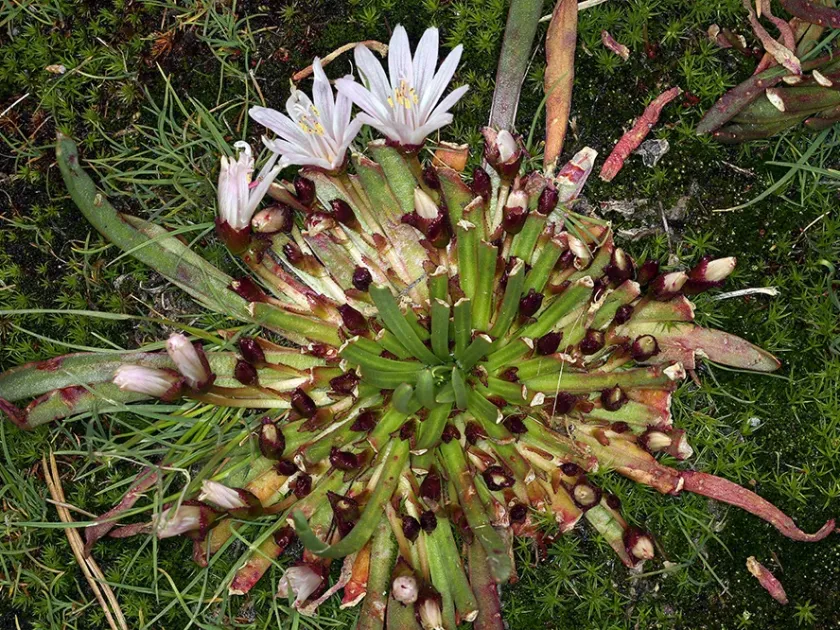
Description
Sowing dates
Propagation of Lewisia longipetala is typically achieved through seeds, which require a cold stratification period to break dormancy. Sowing in late autumn or early winter in containers placed in an unheated frame is the most effective method for germination.
The seeding substrate should be highly mineral-based, consisting of grit, coarse sand, and a small amount of leaf mold. Seeds should be sown thinly and pressed into the surface rather than buried deep, as they require light to germinate effectively.
Germination is often slow and uneven, taking several weeks to months depending on the temperature fluctuations. Keeping the seed trays cool and preventing them from drying out completely is essential during this stage.
Once the seedlings are large enough to handle, they should be pricked out into individual small pots. The roots are very sensitive to disturbance, so using deep, narrow pots is recommended to accommodate their long taproots.
Transplanting to the permanent location should be done in early spring. Choosing a spot that replicates a cliff-side environment with vertical drainage is crucial for the long-term survival of the young plants.
Growing requirements
As a member of the Montiaceae family, Lewisia longipetala is adapted to harsh, rocky environments. Its primary requirement is exceptional drainage; the soil must never remain waterlogged, as this is the leading cause of plant mortality.
The ideal soil mix is a gritty, lean medium with a slightly acidic pH. Avoid heavy soils or high-nitrogen fertilizers, which can cause excessive leafy growth and make the plant vulnerable to rot during the dormant season.
Light requirements involve bright, indirect sun. In alpine regions, they can tolerate more direct exposure, but in lower altitudes, shade from the midday sun is necessary to prevent thermal stress on the rosettes.
Watering should be done with extreme caution. The rosettes are prone to crown rot if moisture enters their center, so bottom watering or watering directly into the substrate around the edge of the plant is the best practice.
- Environment: Rocky, well-draining slopes or rock gardens.
- Soil: Mineral-rich, low-organic content, gritty mix.
- Watering: Careful, avoid wetting the leaves.
Main diseases and pests
The most significant threat to Lewisia longipetala is fungal rot affecting the root and crown. This is almost always triggered by excessive moisture, high humidity, or poor drainage within the cultivation medium.
Pests such as mealybugs can hide in the crevices of the succulent leaves, sucking sap and weakening the plant. Regular inspection and the use of insecticidal soaps or systemic treatments can help manage infestations effectively.
Slugs and snails are major predators that can consume the fleshy leaves and flower buds rapidly. Protective barriers made of grit or crushed shells, as well as baiting, are necessary during wet growing seasons.
Lack of proper air circulation around the plants can lead to mildew and other foliage diseases. Ensuring that the plants are not overcrowded and are located in an area with a gentle breeze helps maintain plant health.
If rot is detected early, cutting away the infected tissue and dusting with a fungicide powder may save the plant, but often the best action is to improve the drainage conditions for the remaining healthy plants.