
Mormolyca
Mormolyca
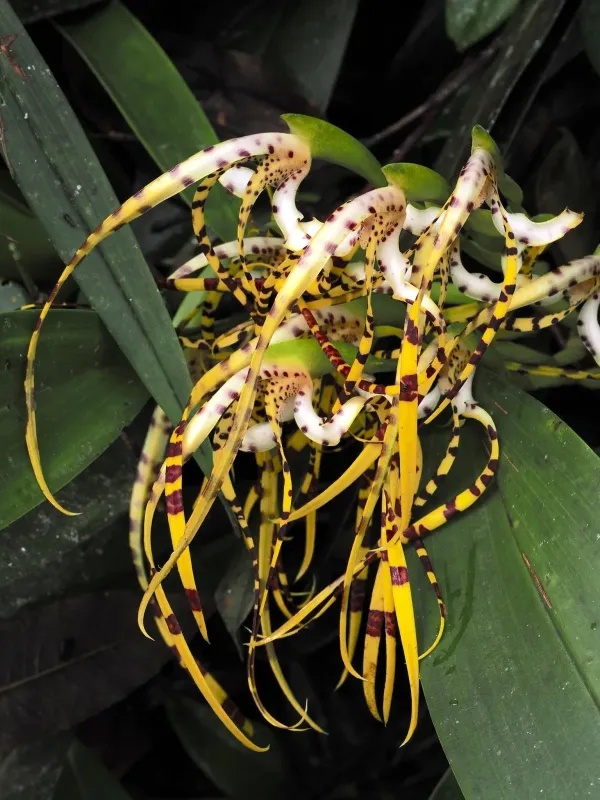
Description
Growing requirements
Mormolyca is a genus of epiphytic and lithophytic orchids belonging to the Orchidaceae family. These plants are native to the tropical forests of Central and South America, where they typically thrive in humid, shaded environments on tree branches or rocky substrates.
For successful cultivation, Mormolyca requires bright, filtered light. Direct sunlight should be strictly avoided as it can scorch the leaves and dehydrate the pseudobulbs, which are vital for the plant's nutrient and water storage.
The substrate must mimic the natural epiphytic environment, consisting primarily of fir or pine bark mixed with charcoal and perlite to ensure excellent drainage. Proper air circulation around the roots is critical to prevent root suffocation.
Temperature management involves keeping the plant in a moderate range between 18 and 24 degrees Celsius. Providing a slight temperature drop at night can significantly stimulate flower development and ensure the overall health of the orchid.
Watering should be performed carefully, ensuring the substrate dries slightly between sessions to prevent waterlogged conditions. High humidity levels, ideally between 60 to 75 percent, are essential for maintaining vibrant growth throughout the year.
Main diseases and pests
Pests such as spider mites and mealybugs represent the primary threats to Mormolyca. These insects often hide in the crevices of pseudobulbs or under the leaves, making them difficult to detect during initial stages of infestation.
Root rot and various fungal leaf spot diseases are common when plants are kept in stagnant air or overwatered conditions. Once rot takes hold, it can progress rapidly, often requiring repotting and the removal of compromised root tissues.
Effective management includes maintaining optimal humidity without excessive moisture on the foliage, as stagnant water on leaves can invite bacterial infections. Proper airflow in the growing area acts as a natural deterrent against pathogens.
If chemical intervention is required, use specific pesticides or fungicides labeled safe for orchids. Always test treatments on a small part of the plant first to avoid potential chemical burns or adverse reactions.
Regular sanitation, such as cleaning the growing environment and using sterile tools for any necessary pruning, is essential to minimize the risk of spreading disease and ensuring the long-term vitality of the orchid collection.