
Claytonia exigua
Claytonia exigua
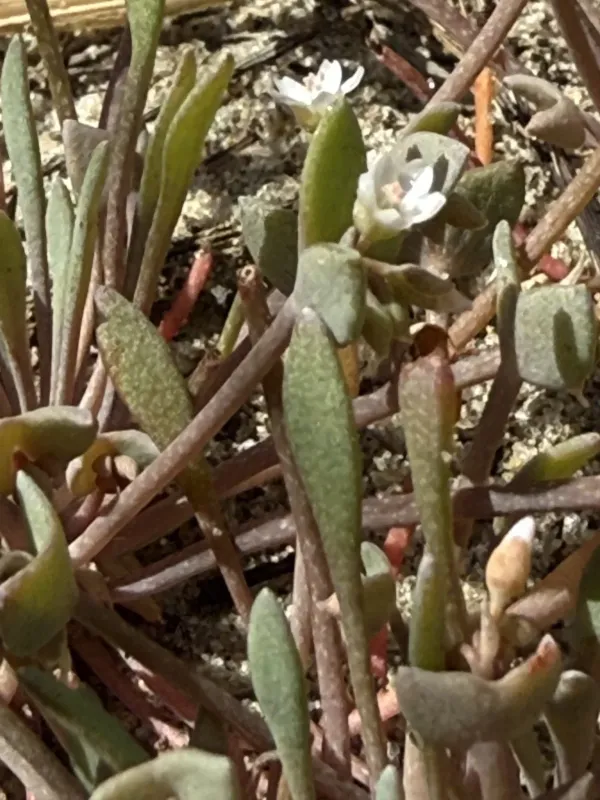
Description
Sowing dates
Claytonia exigua, a member of the Montiaceae family, is a delicate annual plant recognized for its culinary potential as a salad green.
The cultivation process begins with sowing seeds in cool soil conditions, ideally during early spring or autumn when temperatures are moderate.
Seeds should be surface-sown or covered with a very thin layer of fine soil, as they require consistent moisture to germinate successfully within 10 to 14 days.
Planting density is crucial for obtaining high-quality foliage; spacing should allow sufficient air circulation to prevent dampness and disease spread.
Succession planting is recommended every 14 days to ensure a continuous supply of fresh, tender leaves throughout the growing season.
Growing requirements
This crop thrives in well-draining, cool, and moist soil environments, preferring sites that provide partial shade during the peak of sunny afternoons.
Soil should be rich in organic matter to support the rapid growth necessary for producing succulent, flavor-packed leaves before the onset of flowering.
Consistent water management is essential; however, overwatering must be avoided as it can lead to root rot in the sensitive root system of the plant.
The ideal pH range for growth is slightly acidic to neutral, which optimizes nutrient uptake and overall plant vigor during the vegetative phase.
As a cool-season crop, it is highly resilient to early light frosts, making it a valuable addition to cold-frame production or early season harvests.
Main diseases and pests
Slugs and snails are the most significant pests affecting this crop, particularly in damp conditions where they can cause rapid destruction of foliage.
In high-humidity environments, fungal pathogens such as downy mildew may appear, necessitating improved spacing and air circulation within the planting beds.
Root rot caused by poor soil drainage remains a major risk, often appearing after heavy rain or excessive irrigation combined with high temperatures.
Preventative measures, such as using row covers or copper barriers, can effectively deter crawling pests without the need for intensive chemical interventions.
Monitoring for aphid colonization is advisable, as small infestations can quickly impact the aesthetic quality of the marketable green product.
Harvesting
Harvesting should be timed precisely before the plant initiates its reproductive phase and sends up flower stalks, which significantly lowers leaf quality.
Leaves are best harvested using a clean, sharp blade to ensure minimal tissue damage, which helps in maintaining the shelf life of the harvested greens.
Rapid post-harvest cooling is critical to remove field heat, as Claytonia leaves have a high surface area and lose moisture very quickly after harvesting.
Packaging should be designed to maintain high humidity around the leaves while allowing for essential gas exchange to prevent premature degradation.
Properly stored in a refrigerated environment, the harvest can remain fresh and crisp for approximately one week, ready for fresh consumption or culinary use.