
Mouriri glazioviana
Mouriri glazioviana
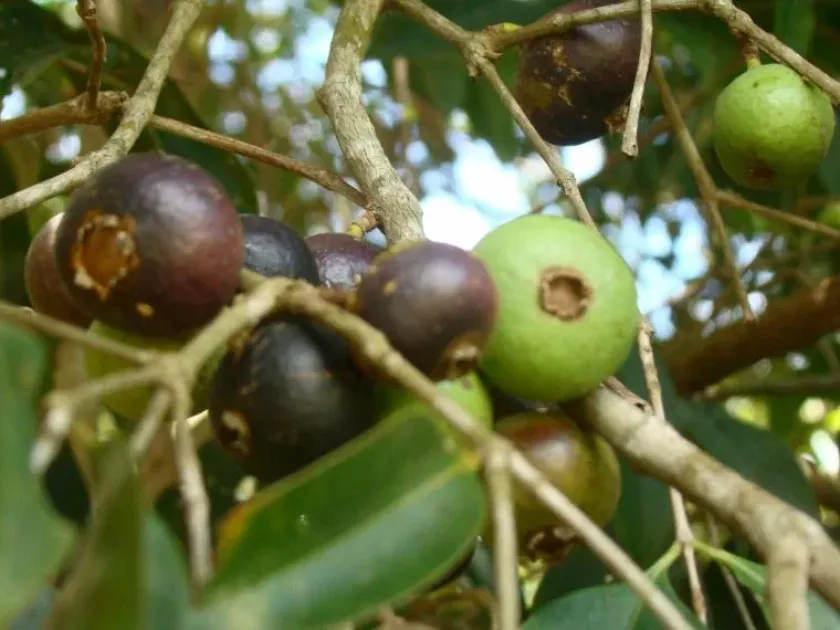
Description
Growing requirements
Mouriri glazioviana is a perennial woody plant belonging to the Melastomataceae family. Native to the tropical forests of Brazil, this species thrives in environments characterized by high humidity and stable warm temperatures throughout the year.
The plant requires well-drained, nutrient-rich soils that mimic the forest floor composition. Its root system is sensitive to waterlogging, making proper site selection and drainage management critical for preventing root rot and ensuring long-term health.
Botanically, Mouriri glazioviana is known for its leathery, elliptical leaves and slow growth rate, especially during the initial establishment phase. It typically forms an understory shrub or small tree in its natural habitat, requiring protection from intense, direct sunlight.
Agricultural success depends on maintaining consistent moisture levels in the substrate without inducing saturation. The species is well-adapted to specific tropical ecological niches and generally performs best when shielded from extreme dry winds.
For those cultivating this species, it is recommended to provide moderate, diffused light and to monitor soil acidity levels regularly. Using organic amendments such as leaf mold can help replicate the natural conditions necessary for optimal development.
Yield
The primary agricultural interest in Mouriri glazioviana lies in its fruit production, which is valued locally for its nutritional and culinary qualities. The harvest period depends on the specific microclimate and the age of the tree, which may take several years to reach maturity.
Yield stability is achieved through diligent maintenance, including the application of balanced fertilizers during the growing season. The plant's ability to produce consistent crops is tied to the availability of essential micronutrients in the soil.
Harvesting should be performed manually to ensure the fruits remain intact, as they are relatively perishable. Proper post-harvest handling is essential to maintain the quality of the produce for the market.
While not a large-scale commercial commodity, the plant has a niche role in sustainable agroforestry systems. Its cultivation promotes biodiversity while providing tangible fruit resources in its native range.
Future potential for this crop may lie in its further domestication, which would require extensive study of its physiological responses to various fertilizers and pest control methods within controlled environments.