
Mouriri huberi
Mouriri huberi
Description
Growing requirements
Mouriri huberi belongs to the Melastomataceae family. It is an evergreen woody plant native to the tropical forests of South America, primarily inhabiting the Amazon basin.
The culture thrives in humid tropical environments with high average annual temperatures and minimal seasonal fluctuations. The species is highly sensitive to frost, making its cultivation viable only in tropical or subtropical zones.
Optimal growth requires deep, well-drained acidic soils. The tree does not tolerate waterlogged roots, although it demands consistently high air humidity for efficient physiological processes.
In terms of agricultural practice, Mouriri huberi requires shading during its early stages of development, mimicking the conditions of the forest canopy. It is cultivated primarily as an ornamental plant or for local ecological restoration projects.
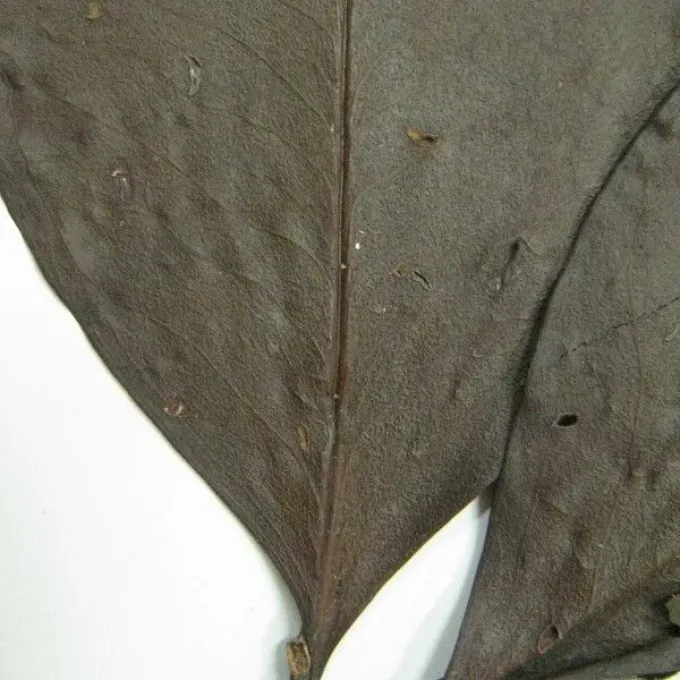
The plant features characteristic opposite leaves with prominent venation. Its wood is known for high density and natural resistance to rot, providing valuable material for local artisanal use.
Harvesting
The economic value of the species is centered on the collection of its edible fruits, which are appreciated locally for their distinct flavor profile. Harvesting is performed manually once the fruits reach full physiological maturity.
Mouriri fruits contain various antioxidants and bioactive compounds, offering potential for future applications in the food industry. Post-harvest, the fruits require careful handling due to their delicate skin.
Seeds have a short shelf life, requiring immediate planting for propagation purposes. Cleaning the seeds from the pulp helps in achieving faster germination rates in specialized nursery environments.
The timber of the tree is utilized in fine woodworking to create small crafts and decorative items. Its inherent resistance to wood-boring pests ensures the longevity of the finished products.
Maintenance of plantations includes selective sanitary pruning to improve canopy light penetration. This promotes uniform ripening of fruits and minimizes the incidence of fungal diseases in dense foliage areas.