
Mouriri elliptica
Mouriri elliptica
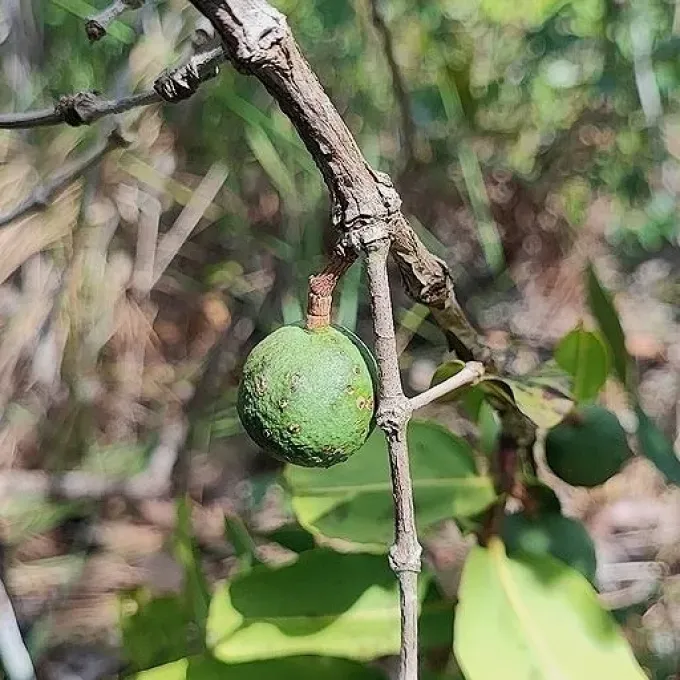
Description
Growing requirements
Mouriri elliptica is a perennial tree species belonging to the Melastomataceae family, natively distributed in the tropical regions of South America. It thrives in dense, humid forests where environmental stability is consistent.
The plant demands a warm, frost-free climate to reach its full development potential. It is highly sensitive to abrupt shifts in temperature and requires a consistently high level of ambient humidity throughout the growing season.
Soil requirements involve well-draining, nutrient-rich substrates, ideally with a slightly acidic profile. Proper site selection must ensure that the soil depth is sufficient to support the tree’s vertical growth.
Botanically, Mouriri elliptica is recognized by its coriaceous, elliptical leaves that exhibit distinctive venation. The tree architecture usually develops into a steady canopy, providing necessary shade to the lower forest tiers.
Agricultural management requires careful attention to irrigation schedules, especially during dry spells. Mulching the area around the base of the trunk helps maintain soil moisture and provides essential organic matter as it decomposes.
Yield
The primary economic output of this culture is its edible fruit, which is traditionally harvested and processed into various local food products. The fruit serves as an important nutritional supplement in its native range.
The wood derived from Mouriri elliptica is noted for its density and durability. While commercial logging is not widespread due to conservation concerns, the timber is locally valued for crafting durable tools and handles.