
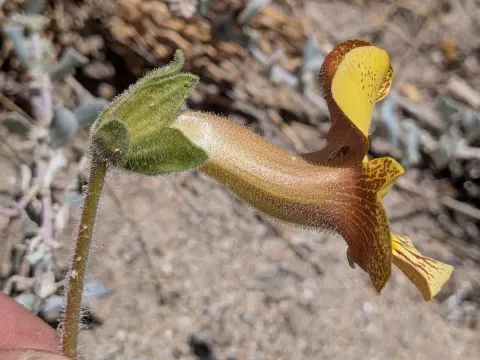
Proboscidea arenaria
Proboscidea arenaria
Seeds of Proboscidea arenaria should be sown in open soil only after the weather is consistently warm and the threat of frost has passed. To achieve an earlier harvest, it is highly recommended to use the transplanting method, starting seeds 4–6 weeks before moving them outdoors.
What the section contains
Proboscidea arenaria
Seeds should be planted at a depth of 2–3 centimeters, as they have a thick seed coat that requires good contact with moist soil. The optimal spacing between plants in a row should be at least 60–80 centimeters to accommodate the vigorous, sprawling habit of the plant.
Pre-treatment of seeds, such as stratification or soaking in growth stimulants, significantly increases the germination rate. As this culture is sensitive to root disturbance, it is best to use individual biodegradable peat pots for seedling propagation.
The soil must be warmed to at least 15–18 degrees Celsius before sowing. In temperate climates, sowing in the field should not occur before late May to ensure a full growing season for the plant.
For successful germination, a stable substrate moisture level must be maintained without waterlogging, which can cause seeds to rot before they emerge from the soil.
Proboscidea arenaria belongs to the Martyniaceae family and is native to the arid regions of the Southwestern United States and Northern Mexico. While the plant is highly drought-tolerant, regular watering is necessary to produce high-quality, succulent fruits.
Best results are achieved in light, well-draining sandy loam soils with a neutral to slightly alkaline pH. The plant is extremely sensitive to water stagnation in the root zone, which can lead to rapid onset of fungal infections.
This species is sun-loving and thermophilic, requiring full exposure to sunlight and protection from cold winds for optimal growth. Even slight temperature drops below 10 degrees Celsius can significantly stall the development of biomass.
Management practices include regular cultivation of inter-rows to ensure oxygen reaches the roots. The application of organic fertilizers during the early growth stages is essential to stimulate the development of the robust foliage needed for fruit set.
During the peak flowering period, maintaining moderate soil moisture is crucial to prevent flower drop, which often occurs due to extreme temperature fluctuations between day and night.
The agricultural use of this crop primarily focuses on harvesting young, immature fruits, which are known for their unique shape resembling bird claws. In culinary terms, they are often used similarly to okra or pickled, being highly valued as a niche gourmet product.
The seeds of the plant contain a high percentage of vegetable oils, which hold potential for future applications in the food or cosmetic industries. However, the fresh fruit remains the primary marketable product harvested at the stage of technical maturity.
Maximum yield is achieved through proper plant training and the thinning of excessive lateral shoots. On average, a single well-maintained plant can produce between 10 and 20 viable fruits throughout the growing season.
The fruiting period typically lasts from 6 to 10 weeks. Consistent harvesting of mature fruits triggers the plant to produce new blossoms, which significantly extends the production window for the grower.
The quality of the harvest depends heavily on the timing of collection: overgrown fruits quickly become woody and fibrous, losing their culinary appeal and becoming suitable only for seed production.
The main threats to this crop include sap-sucking pests like aphids and spider mites, especially during hot and dry summer conditions. These pests target young leaves, slowing down plant growth and significantly reducing overall productivity.
Under conditions of high humidity, Proboscidea is susceptible to root rot and Fusarium wilt. Prevention relies on strict crop rotation and avoiding over-irrigation, particularly during cool, damp nights.
For pest management, biological control agents or systemic insecticides are recommended when economic damage thresholds are met. It is essential to strictly observe the pre-harvest interval to ensure product safety.
Powdery mildew can affect the foliage toward the end of the season during sharp temperature fluctuations. Sulfur-based fungicides are effective in containing the spread of the infection across the plantation.
Root-knot nematodes pose a hidden threat when the crop is grown on the same land for multiple seasons; thus, rotation and the use of cover crops are essential for maintaining soil health.
Harvesting is performed manually, using shears or scissors to avoid damaging the brittle stems of the plant. It is critical to harvest the fruits when they reach a length of 5–8 centimeters and remain tender to the touch.
The best time for harvesting is during the early morning hours when the fruits are most turgid and succulent. This practice ensures better post-harvest shelf life during transport and processing.
After collection, fruits should be stored in a cool environment with controlled temperatures, as they exhibit high respiration rates and lose quality quickly under room conditions.
For seed production, fruits are left on the plant until they are fully mature, evidenced by a hard, brown exterior. After collection, they are dried, and the seeds are extracted and cleaned of remaining plant debris.
Properly dried seeds of Proboscidea retain viability for 3 to 5 years when stored in a cool, dry place, making this an excellent crop for long-term self-sufficiency on a farm or garden scale.