
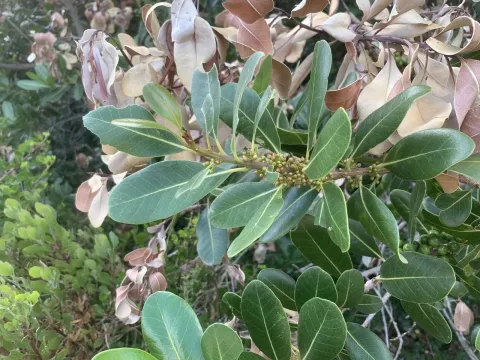
Mastichodendron
Mastichodendron
Mastichodendron, scientifically classified as Sideroxylon foetidissimum and belonging to the Sapotaceae family, is a notable evergreen tree. It is widely recognized in its native tropical range for its hard wood and ecological adaptability.
What the section contains
Mastichodendron
The tree is native to the Caribbean, Florida, and parts of Central America. It thrives primarily in limestone-based soils and coastal environments where salinity does not interfere with its physiological processes.
To cultivate Mastichodendron effectively, full sun exposure is essential. It requires a warm, humid climate and is sensitive to frost, which limits its commercial cultivation to frost-free tropical or subtropical zones.
Soil requirements focus on excellent drainage. While the tree can tolerate rocky or nutrient-poor substrates, it fails in waterlogged conditions where root aeration is insufficient, leading to rapid decay.
Agricultural management should include maintaining clean planting sites to ensure that the tree, which is a slow grower, can successfully establish itself without competition from invasive weeds or aggressive woody species.
The primary economic value of this culture lies in its timber, often referred to as Mastic or Madeira wood. The timber is prized for its high density, resistance to pests, and durability in marine or outdoor construction projects.
In addition to timber, the tree produces fruit that is edible, although not commonly sold in mass markets. The fruits are primarily important for local fauna and biodiversity support within the ecosystem.
Harvesting strategies involve selective logging rather than clear-cutting. Due to the tree's slow growth rate, sustainable harvest cycles are necessary to ensure the long-term viability of the population.
Post-harvest processing involves careful drying to prevent checking or warping, as the dense wood can develop structural issues if exposed to rapid moisture changes during the seasoning phase.
Beyond timber and food, Mastichodendron serves as an effective windbreak, protecting more delicate agricultural crops from wind damage in coastal farming zones due to its dense, evergreen canopy.