
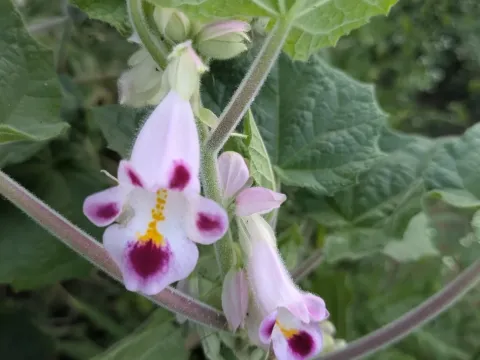
Martynia
Martynia
Martynia seeds should be sown in well-prepared soil only after all danger of frost has passed and temperatures are consistently warm.
What the section contains

Martynia
Because the seeds have a hard outer coat, soaking them in lukewarm water for 24 hours prior to planting significantly improves germination rates.
In regions with shorter growing seasons, starting seeds indoors in biodegradable pots is highly recommended to give the plants a head start.
Space the plants approximately 50 to 70 centimeters apart, as they develop a bushy habit and require ample air circulation to thrive.
Direct seeding in the field requires a sunny location with deep, loose soil to accommodate the plant's developing taproot system.
Belonging to the Martyniaceae family, this plant originates from tropical regions and demands full sunlight for optimal growth and flowering.
The ideal soil for Martynia is sandy loam that is rich in organic matter and offers excellent drainage to prevent root rot during wet weather.
While the plant exhibits some drought tolerance once established, consistent moisture is necessary during the flowering and fruit-setting stages.
Temperature is a critical factor, as Martynia grows most vigorously in warm conditions and may stall in growth if nights remain consistently cold.
Wind protection is beneficial, as the large, fuzzy leaves can be prone to physical damage or dehydration when exposed to persistent strong gusts.
Cutworms and other soil-dwelling larvae are common pests that can destroy young seedlings by feeding on the base of the stem.
Fungal issues such as leaf spots or powdery mildew can occur if the plants are placed too close together in humid or stagnant air conditions.
Spider mites are occasionally problematic during hot, dry spells, potentially leading to yellowing leaves and reduced overall plant vigor.
Root rot is the most common physiological disorder caused by overwatering or planting in soil that does not drain well after irrigation.
Integrated pest management, including regular inspection and good sanitation of the planting area, is the best strategy for maintaining healthy plants.
The primary harvest target for Martynia is the immature, green seed pod, which is prized for its culinary versatility, particularly in pickling.
Harvesting should be done frequently, gathering pods while they are still soft and before the woody internal fibers begin to develop.
If left on the plant too long, the pods mature into hard, claw-like structures that are no longer suitable for human consumption.
The harvested pods should be processed quickly to preserve their crisp texture and unique flavor profile in various preserved dishes.
Seeds for future crops should be gathered from only the most robust plants, allowing the pods to dry completely on the vine before extraction.