
Marjoram
Majorana
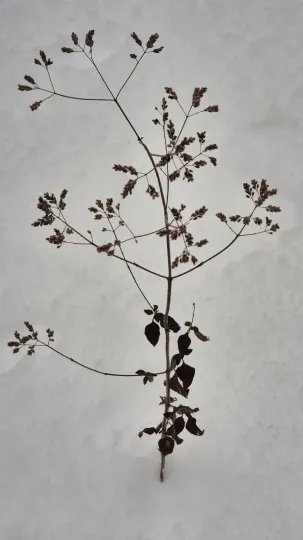
Description
Sowing dates
Marjoram (Origanum majorana) is a perennial herb of the Lamiaceae family, commonly grown as an annual crop in temperate climatic zones due to its sensitivity to frost.
Seeds are typically sown indoors in March or early April, as the germination process is relatively slow and requires stable warmth and moisture.
Seedlings should be hardened off and transplanted into the open field only after the danger of spring frost has completely passed, usually in late May.
For direct sowing, the soil temperature must consistently remain above 15 degrees Celsius to ensure uniform emergence of young seedlings.
The recommended planting distance is 20-30 cm between plants, allowing for adequate air circulation which reduces the risk of fungal infections.
Growing requirements
Marjoram is a sun-loving plant that thrives in well-drained, fertile soils with a neutral pH, preferably in a location protected from cold, strong winds.
Soil structure is critical; sandy loams are ideal because they prevent waterlogging, which the plant cannot tolerate under any circumstances.
Regular irrigation is essential during the early growth stages, but as the plant matures, it becomes moderately drought-tolerant, requiring less frequent water.
The crop responds well to compost or balanced mineral fertilizers, particularly those rich in phosphorus and potassium for root development.
Effective weed management is vital, especially in the first month, as marjoram is relatively slow-growing and can be easily outcompeted by weeds.
Yield
The yield of marjoram varies significantly based on climate and soil fertility, typically ranging from 0.5 to 1.5 kg of dried herb per square meter.
Multiple harvests are possible in a single season, provided that the plants are pruned correctly to encourage new vegetative growth from the base.
Optimization of yield is achieved through strategic nitrogen applications in early summer and ensuring adequate light exposure for the leaves.
Quality and volatile oil content are closely linked to harvest timing, which should ideally coincide with the beginning of the full flowering phase.
Farmers can maximize their seasonal yield by using high-quality transplants rather than direct seeding, ensuring a more uniform and vigorous crop.
Main diseases and pests
Powdery mildew is the most common fungal disease, often triggered by high humidity levels or poor air circulation within the plant canopy.
Root rot occurs primarily due to poor drainage or overwatering, causing systemic collapse and sudden death of the plants.
Aphids represent the primary insect pest, as they congregate on tender tips, sucking sap and potentially spreading viral infections between plants.
Integrated pest management, including crop rotation and the use of natural predators, is recommended to keep pest populations below economic thresholds.
- Use of disease-free planting material
- Proper spacing for airflow
- Monitoring for early infestation
- Removal and destruction of infected parts
Harvesting
Harvesting marjoram involves cutting the stalks about 5 cm above the ground during the peak of flowering to ensure the highest concentration of essential oils.
The harvested material must be dried quickly in a cool, dark, and well-ventilated area to preserve its color and distinct aromatic profile.
Once fully dried, the leaves are typically stripped from the woody stems and stored in airtight containers to maintain freshness for extended periods.
Marjoram is widely utilized in the culinary industry as a key spice and in the fragrance industry due to its unique, delicate terpene profile.
Proper post-harvest processing ensures that the herb retains its medicinal properties, including digestive support and mild antiseptic applications.