
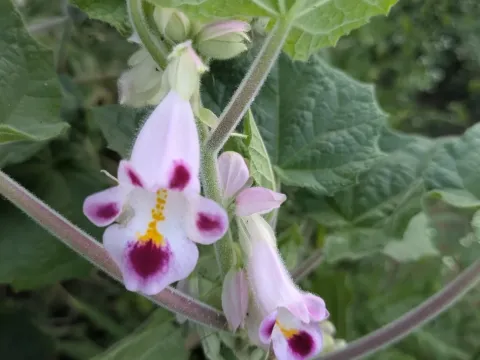
Devil's Claw
Martynia jussieui
Martynia jussieui is a warm-season crop that thrives in tropical and subtropical conditions, so seeds should only be sown directly into the ground once the soil has warmed up and all danger of frost has passed. Typically, late May or early June is the ideal sowing window.
What the section contains
Devil's Claw
In regions with shorter summers, a nursery approach is highly recommended. Sow seeds in individual pots during March or April; the plant is sensitive to root disturbance, so avoid transplanting seedlings that have not been started in separate containers.
The seeds have a very hard outer coat, and pre-soaking them in warm water for 24 hours significantly improves germination rates. Plant the seeds at a depth of 2–3 centimeters to ensure the soil remains sufficiently moist during the sprouting phase.
Maintain a constant temperature between 22 and 25 degrees Celsius for optimal germination. Under these conditions, seedlings usually emerge within two weeks, provided the substrate is kept consistently hydrated.
When moving seedlings to their final location, space them at least 50 to 60 centimeters apart. This spacing is crucial because the plant grows into a large, sprawling bush that requires plenty of space to capture sunlight.
Martynia jussieui belongs to the Martyniaceae family and is native to the Americas. It is a heliophilic plant, meaning it requires full, direct sunlight to flourish. Choose a site that is well-exposed and sheltered from strong winds to prevent damage to the large leaves.
This crop prefers loose, fertile soils with a neutral or slightly acidic pH. Good drainage is non-negotiable; while the plant likes moisture, it will quickly develop root rot if the soil remains waterlogged for extended periods.
Water regularly during the active growing season, especially during hot, dry spells. However, ensure that irrigation is moderate; deep watering followed by a drying period for the top layer of soil is better than constant superficial wetting.
Apply a balanced liquid fertilizer about three weeks after planting to boost initial growth. A second application during the peak flowering stage will stimulate fruit development and increase overall yield.
The plant is characterized by large, heart-shaped leaves covered in glandular hairs. These hairs emit a distinct, musky scent that acts as a natural deterrent against many common garden pests, helping to protect the plant.
The primary agricultural interest in Martynia jussieui lies in its immature fruit capsules, which resemble claws or horns. These are harvested while still tender and green, typically used as a culinary ingredient in pickles or cooked dishes.
Yield depends heavily on consistent moisture and nutrient availability. A healthy, well-tended plant can produce dozens of edible pods, making it a productive addition to an exotic vegetable patch throughout the warmer months.
Beyond culinary use, the plant has a history of medicinal applications. Certain extracts derived from parts of the plant are investigated for their anti-inflammatory properties, reflecting its value in traditional medicine systems.
Dried, mature pods are highly valued in the craft and floral industry. The unique, woody structures with their sharp, claw-like appendages make them a sought-after decorative material for autumn arrangements and artistic displays.
Freshly harvested pods are perishable, so they should be processed or consumed within 48 hours. If intended for storage, pickling or drying are the best methods to preserve the quality and unique texture of the fruit.
While generally hardy, Martynia jussieui can be susceptible to spider mites, especially in hot, arid conditions. These pests thrive on the underside of leaves and can weaken the plant by extracting essential nutrients.
Aphids may occasionally target the tender new growth tips. Regular monitoring is advised, and infestations can usually be managed with gentle, organic insecticidal soaps if caught during the early stages of the attack.
Excessive humidity or poor air circulation can lead to root rot or fungal issues. Always ensure that the planting site has good airflow, and avoid planting the bushes too close together, which would trap moisture.
Powdery mildew may appear as a dusty white coating on leaves if the environment is too humid or crowded. Pruning away affected foliage and improving spacing usually resolves the problem without the need for heavy fungicides.
Integrated pest management, including crop rotation and the removal of plant debris at the end of the season, significantly reduces the likelihood of these common threats reappearing in the following year.
Harvesting for culinary purposes is a continuous process that lasts from mid-summer until the first frost. Only young, bright green pods that are still soft to the touch should be collected for consumption.
The correct stage for harvest is when the pod is firm but can be easily pierced with a fingernail. Once the pod begins to harden or turn dark, it is no longer suitable for cooking and should be left to mature for seeds.
It is best to harvest in the early morning while the plants are cool and turgid. Use sharp shears or garden scissors to cut the pods cleanly from the stem, avoiding any tugging that might damage the fragile branches.
For seed collection, leave several pods on the plant until they turn brown and dry. Once mature, the pod becomes extremely hard and will naturally crack open along the suture to release the seeds inside.
Handle mature pods with heavy-duty gloves, as the dried "claws" are sharp and can easily cause skin abrasions. Once collected, store seeds in a cool, dry place to maintain viability for the next growing season.