
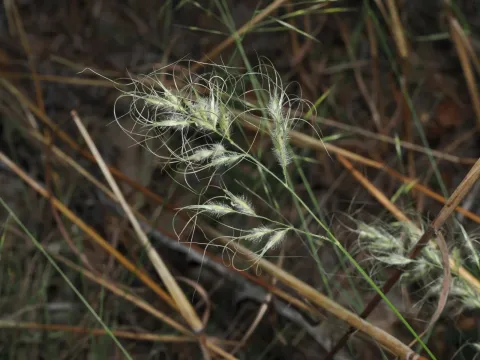
Massia
Massia
Massia seeds are characterized by gradual maturation, so sowing dates depend heavily on the climatic zone and soil moisture levels. Early spring, when the soil warms up to 8–10 degrees Celsius, is considered the optimal period, allowing plants to effectively utilize stored winter moisture.
What the section contains
Massia
In temperate climates, late-autumn sowing is possible, which ensures earlier germination in the following season. A crucial condition is high-quality seedbed preparation; the field must be leveled, and the top layer should be fine-crumbled to ensure optimal contact between seeds and the substrate.
The sowing depth usually does not exceed 1.5–2 cm. With deep sowing, the germination energy of small Massia seeds drops sharply, leading to sparse stands and reduced overall productivity of the grass cover during the first year of growth.
The seeding rate varies depending on the cultivation method: for pure stands, it is about 12–15 kg per hectare. When including Massia in grass mixtures, the rate is reduced according to the planned participation share of the crop within the agrocenosis.
After sowing, mandatory rolling with cultipackers is recommended. This practice is critical for ensuring capillary water flow to the seeds, which accelerates uniform germination and increases the competitiveness of young seedlings.
Massia is a perennial grass that prefers well-drained, fertile loamy or sandy-loam soils. It demonstrates moderate resistance to temporary waterlogging, but prolonged stagnant water negatively affects the development of the root system.
The crop shows moderate requirements for soil acidity, with an optimal pH in the range of 6.0–7.0. On highly acidic soils, liming is required, as this significantly improves nutrient uptake and overall biomass development.
Regarding light requirements, Massia is a sun-loving plant; therefore, it is not recommended for cultivation in heavily shaded areas or under the canopy of dense tree plantations. Sufficient sunlight directly correlates with sugar accumulation in the stems.
The crop possesses good winter hardiness, allowing its use in regions with severe winter conditions. It successfully withstands significant temperature fluctuations if the soil is covered by sufficient snow to protect the tillering nodes from freezing.
An important factor for success is nitrogen availability. Massia responds well to split applications of nitrogen fertilizers after each cut, which stimulates regrowth and significantly increases the overall nutritional value of the green mass.
Among the primary fungal diseases for Massia, various types of rust that affect the leaf apparatus during the active growth phase are the most dangerous. High air humidity and dense stands, which limit air circulation, contribute to the development of the disease.
Loose smut can also cause significant damage by affecting the generative organs of the plant and reducing seed productivity. Prevention involves using only treated seed material and maintaining optimal spatial isolation of the fields.
In terms of pests, cereal flies and flea beetles cause the most damage, attacking young sprouts during the early vegetation period. Massive infestation by these pests can lead to the loss of a significant portion of the stand at the seedling stage.
Aphids can also pose a serious threat in dry years, sucking sap from young leaves and inflorescences. This not only weakens the plants but also promotes the spread of viral diseases transmitted by insects during feeding.
For pest control, both agrotechnical methods, such as crop rotation and timely weed removal, and chemical protection agents are used. The application of insecticides must be strictly regulated and carried out during periods of low activity of beneficial entomophages.
Harvesting Massia for hay is carried out during the heading phase, before flowering, when nutrients are maximally concentrated in the green mass. Later harvesting leads to stem coarsening and a sharp decrease in forage digestibility for livestock.
For silage production, the optimal harvest time is the booting stage or the onset of heading. During this period, the protein content in dry matter is at its peak, allowing for the production of high-quality feed for the dairy industry.
When using modern high-capacity machinery, it is important to maintain a cutting height of at least 6–8 cm. This ensures rapid regrowth and preserves the tillering nodes responsible for the productivity of subsequent cuts.
Hay drying requires careful handling, as Massia leaves are rich in nutrients and easily shatter during mechanical processing. The use of tedders allows for uniform drying of the mass, minimizing the loss of valuable components in the field.
For seed production, harvesting is performed using a two-stage method at the onset of waxy ripeness. It is crucial to avoid over-ripening, as Massia seeds are prone to shattering, which can lead to losses of up to 30% of the yield under adverse weather conditions.