
Marram grass
Ammophila
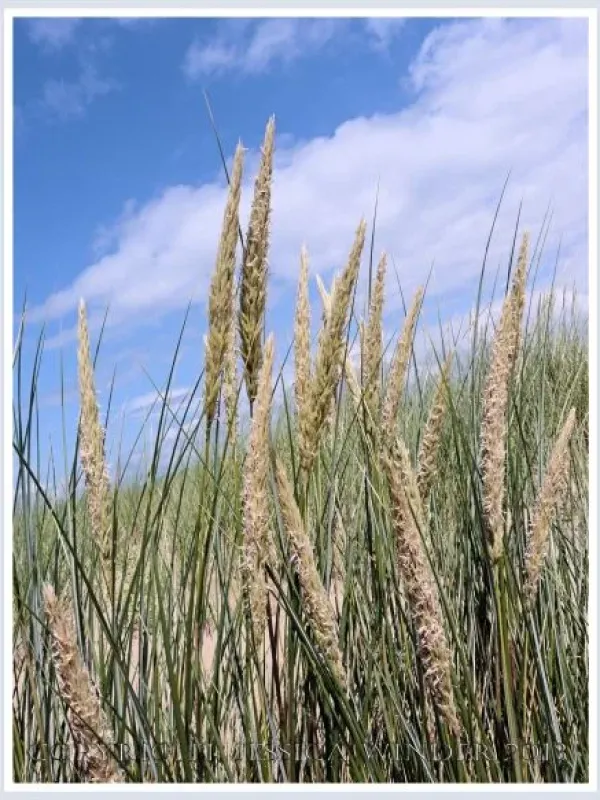
Description
Sowing dates
The planting of Marram grass is most effective during the early spring months. This timing allows the root system to establish itself within the sand matrix before the onset of the intense heat of summer, which can lead to rapid moisture loss in dune environments.
Vegetative propagation via rhizome division is the preferred method for establishing new stands. Pieces of rhizomes are inserted deeply into the sand to ensure they remain moist and can effectively begin binding the shifting substrate.
Planting density is determined by the specific conservation goals of the project. Higher densities are used in areas where immediate stabilization is required to protect inland infrastructure from encroaching sand dunes or storm surges.
Mechanical planters are often employed for large-scale ecological projects. These machines are specially designed to operate in sandy soils, placing the grass at the necessary depth to ensure high survival rates in harsh coastal conditions.
Following initial installation, the site must remain protected from human traffic for at least one full growing season. This period of undisturbed growth is crucial for the grass to form an extensive subterranean network capable of withstanding environmental pressures.
Growing requirements
Marram grass (Ammophila) belongs to the Poaceae family and is a specialized xerophyte. It is evolutionary adapted to survive in sand dunes, where it thrives in conditions that would prove lethal to most other plant species due to lack of nutrients and water.
The defining characteristic of this plant is its tolerance to burial. As sand accumulates around the grass, it triggers new growth in the rhizomes and shoots, effectively allowing the plant to build and maintain the height of coastal dunes over time.
Full sun is essential for the healthy development of Marram grass. It is not shade-tolerant, and any competition from woody plants or taller vegetation will eventually lead to the decline of the stand and loss of its soil-binding properties.
Soil requirements are strictly centered on sandy textures. The plant requires excellent aeration for its roots and is highly tolerant of the high salinity levels found in coastal spray, which helps it dominate its natural niche.
Temperature range is broad, as the genus is found in various cool to temperate climate zones globally. The plant does not require high levels of soil fertility, as it is adapted to nutrient-poor dune environments where it relies on its symbiosis with soil microbes.
Main diseases and pests
Marram grass is generally resistant to typical pests due to the high silica content in its leaves, which makes the foliage tough and unpalatable to most herbivores. This defensive mechanism helps maintain the integrity of the dune structures.
Fungal pathogens can occasionally cause dieback in localized areas, particularly where air circulation is poor or where excessive moisture persists for extended periods. Proper spacing of plants during the initial planting phase helps mitigate these risks.
Root-knot nematodes can potentially damage the root system, which may impact the plant's ability to hold the sand. In healthy, dynamic dune ecosystems, natural predatory balances usually keep these pest populations in check.
Human trampling remains the single greatest threat to established Marram grass colonies. Even moderate foot traffic destroys the delicate shoots, leading to the creation of blowouts where wind erosion can quickly turn small gaps into massive gaps in the dunes.
Maintaining a natural, low-nutrient environment is the best prevention strategy. Excessive nitrogen application should be avoided, as it weakens the plant's structural toughness and may increase its susceptibility to insect attacks and diseases.