
Pterygota horsfieldii
Pterygota horsfieldii
Description
Growing requirements
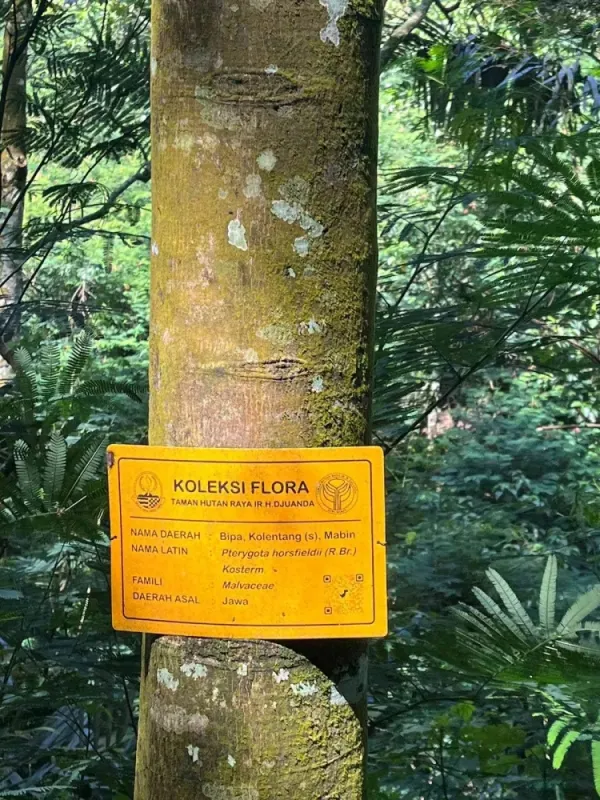
Pterygota horsfieldii is a significant tropical tree species belonging to the Malvaceae family. Naturally occurring in Southeast Asia, it stands out for its impressive stature and capacity to dominate forest canopies in its native environment.
The cultivation of this species requires a hot and humid tropical climate. Consistent rainfall patterns are essential for the survival of saplings, while mature trees demonstrate moderate resilience to seasonal variations in water availability.
Successful establishment of the crop depends heavily on soil quality. Deep, well-drained, and nutrient-rich soils are ideal. Areas prone to waterlogging must be avoided, as the root system is sensitive to low oxygen levels in the substrate.
In silvicultural practices, site preparation includes clearing competitive vegetation. Young trees benefit from careful monitoring of canopy light levels, ensuring that they receive enough sunlight without suffering from extreme heat stress.
Maintaining soil fertility is facilitated by the integration of organic matter. Regular scouting of the plantation allows foresters to adjust management strategies based on the growth rate and overall vigor of the trees.
Harvesting
The primary economic focus for Pterygota horsfieldii is the extraction of its timber. This wood is valued in the regional market for its balanced mechanical properties, suitable for a variety of construction and carpentry projects.
The processing of the harvested wood involves systematic sawing and seasoning. Due to the nature of tropical timbers, controlled drying is necessary to minimize shrinkage and ensure stability in the final products.
Harvesting strategies are governed by sustainable forestry guidelines. By selecting mature trees that have reached their economic rotation age, producers optimize timber yields while maintaining the productivity of the forest stand.
The resulting timber is commonly utilized in the manufacturing of furniture, interior moldings, and specialty plywood. Its ability to be easily finished makes it a preferred choice for decorative internal applications.
Efficient supply chain management ensures that harvested timber reaches processing facilities promptly. This minimizes the risk of biological degradation and maintains the quality of the wood throughout its path from forest to workshop.