
Pterygota alata
Pterygota alata
Description
Growing requirements
Pterygota alata is a large deciduous tree belonging to the Malvaceae family. It is native to the tropical forests of South and Southeast Asia, where it is known for its impressive height and straight, clean trunk structure.
The species thrives in tropical climates with significant rainfall and high humidity. It is particularly well-suited to deep, fertile, and well-drained alluvial soils found in river valleys, which provide the necessary nutrients for rapid growth.
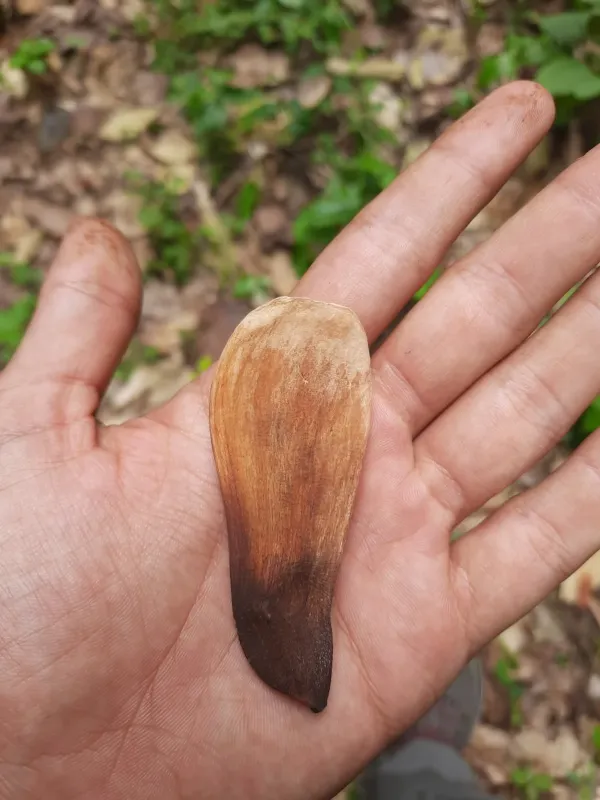
Botanically, it is characterized by large, heart-shaped leaves and distinct, winged seeds that facilitate wind dispersal. These seeds are a key factor in the natural regeneration of the species within its native habitat.
For successful cultivation, site preparation should emphasize soil aeration and moisture regulation. While the tree is robust, young saplings require protection from extreme weed competition and drought in their initial years.
Management practices in plantations involve periodic thinning to ensure that individual trees have enough space to develop their crowns, which directly influences the quality and dimensions of the timber produced.
Harvesting
The primary economic value of Pterygota alata lies in its timber, which is highly regarded in the construction and furniture industries. It is often referred to as Indian cedar due to its favorable wood properties.
The wood is moderately hard, lightweight, and easy to polish, making it a preferred material for veneers, plywood, and various indoor architectural components. It is also suitable for general carpentry and joinery work.
Harvesting usually follows sustainable forestry cycles, where trees are selected based on reaching optimal maturity. This approach ensures that the plantation remains productive while maintaining ecological balance.
Post-harvest management involves meticulous kiln drying to reduce moisture content and prevent warping, as the timber is susceptible to environmental changes if not properly treated during the initial processing.
Beyond timber, the tree serves significant environmental functions, including erosion control and soil stabilization in tropical environments, further justifying its role in reforestation initiatives.