
Pterygota bequaertii
Pterygota bequaertii
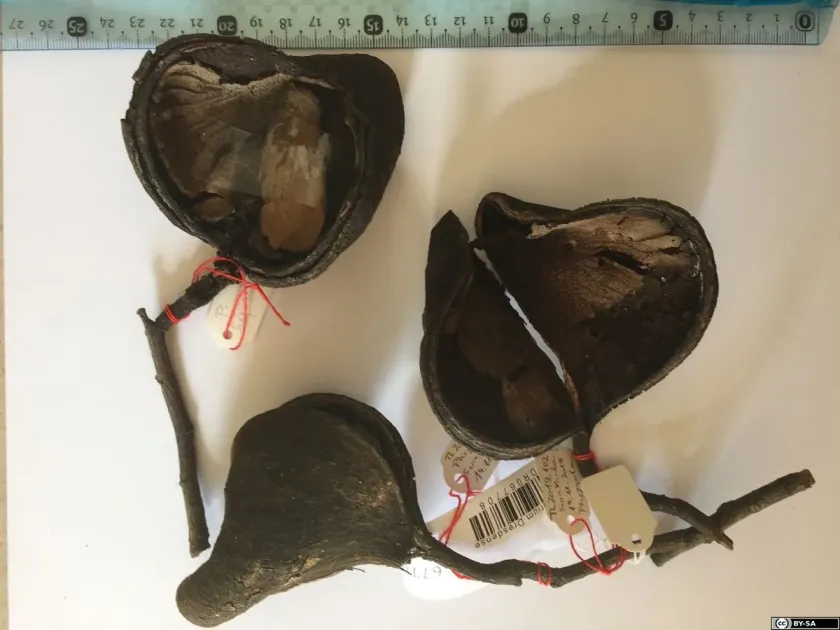
Description
Growing requirements
Pterygota bequaertii is a large evergreen tree species belonging to the Malvaceae family. It is native to the tropical rainforests of Central and West Africa, where it thrives in humid and hot environments with consistent rainfall patterns.
The species prefers deep, fertile, and well-drained soils that support vigorous growth in a competitive forest environment. It generally occupies the mid-to-upper canopy levels, relying on its ability to reach sunlight as it matures from a shade-tolerant sapling.
Climatic requirements are strictly tropical, necessitating year-round high temperatures and a lack of significant dry seasons to prevent physiological stress. In cultivation, protecting the soil surface and maintaining forest-like microclimates are essential for success.
Agronomic management in plantation forestry focuses on managing density and ensuring that young trees are not choked by invasive climbers or fast-growing pioneer species. Proper spacing is crucial to prevent competition for nutrients and light.
Conservation of this species is tied to the preservation of its natural habitat, and sustainable forest management practices are required to prevent over-exploitation of native stands in the African rainforest belt.
Yield
The primary economic value of Pterygota bequaertii is its timber, commonly marketed as "koto" or "kue". The wood is appreciated for its uniform texture, creamy color, and excellent working properties, making it highly desirable for interior applications.
Industrially, the timber is widely used in the manufacturing of plywood, high-quality veneer, and furniture components. Its stability and ease of processing allow for complex joinery and fine surface finishing in construction.
Harvesting cycles are long due to the tree's growth characteristics. Professional foresters utilize selective harvesting methods to ensure that mature trees are extracted while protecting the younger forest stock, supporting long-term ecosystem health.
The productivity per hectare varies depending on site quality, soil nutrients, and management intensity. Maximizing yield requires scientific monitoring of growth rates and implementation of reforestation programs following the extraction phase.
As international demand for exotic woods continues to evolve, the cultivation of Pterygota bequaertii represents an important component of sustainable tropical forest management and local timber economies.