
Pterygota macrocarpa
Pterygota macrocarpa
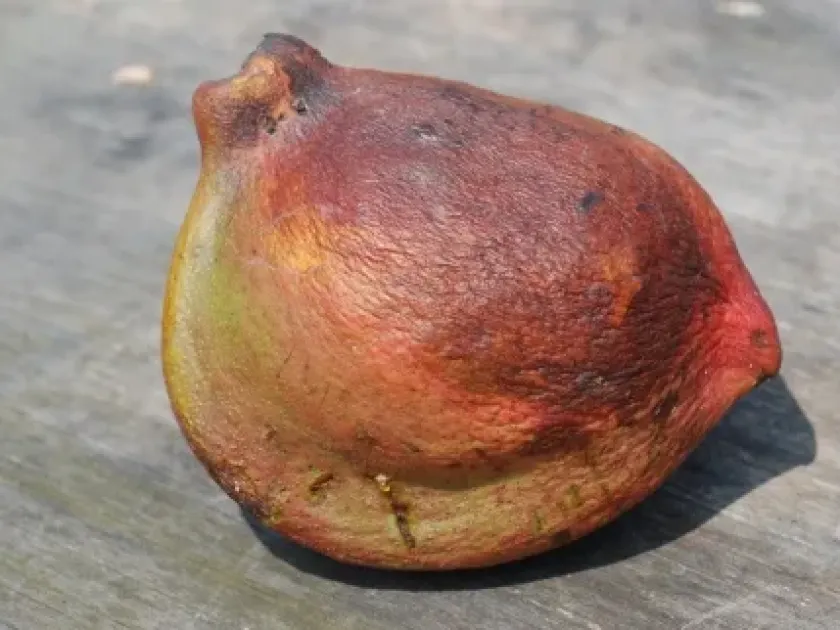
Description
Growing requirements
Pterygota macrocarpa is a majestic tree species belonging to the Malvaceae family. Known for its significant height and timber quality, it serves as an essential component of the forest canopy in tropical African regions.
The species is indigenous to the tropical forests of West and Central Africa. It thrives in regions characterized by high annual rainfall and consistent, warm temperatures, which are essential for its vigorous vegetative growth.
Cultivation success depends heavily on soil selection. The tree requires deep, well-draining, and nutrient-rich soils to support its extensive root system, avoiding waterlogged sites that may lead to root rot.
In silviculture practices, proper spacing is critical to ensure that individual trees have adequate access to sunlight and airflow, as competition for resources can significantly slow the development of young trees.
The timber is widely valued in the global market for its versatile properties. It is commonly utilized in the manufacturing of plywood, furniture components, and high-quality interior construction materials.
Main diseases and pests
The primary threats to Pterygota macrocarpa involve wood-boring beetles and other borers that damage the bark and underlying sapwood, which can critically affect the structural integrity and market value of the timber.
Fungal infections in nursery settings represent a major risk, especially when humidity levels are not properly managed. This can lead to damping-off disease, which is fatal for seedlings.
Environmental stress, such as prolonged drought periods or habitat fragmentation, renders the trees more susceptible to secondary infestations and pathogens, demanding integrated management strategies.
Mechanical damage during harvesting or silvicultural operations can expose the trees to environmental pathogens, necessitating careful handling and the use of tools that minimize tissue injury.
Standard protection protocols focus on maintaining tree vigor through appropriate site selection and thinning processes, which help mitigate the impact of endemic pests and diseases.