
Microcos paniculata
Microcos paniculata
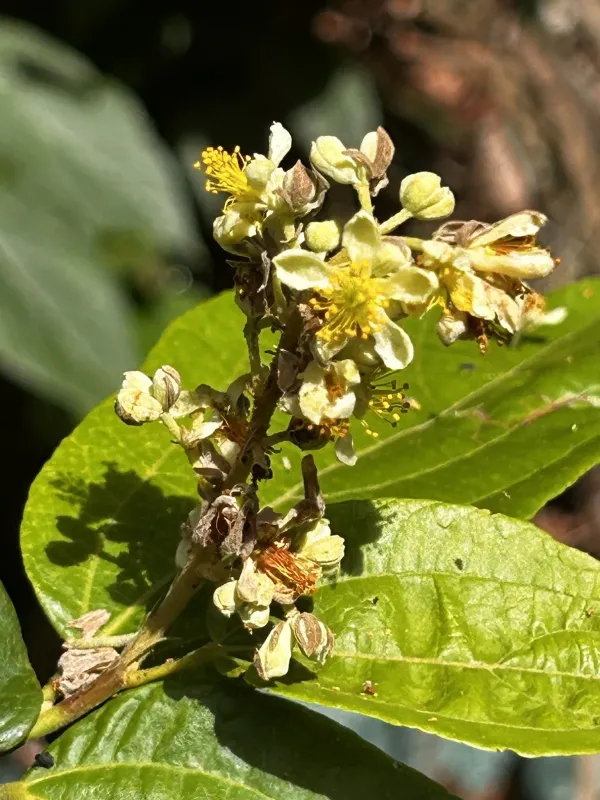
Description
Sowing dates
Microcos paniculata is a perennial plant species belonging to the Malvaceae family. In agricultural practices, it is propagated either by seeds collected from mature fruits or through vegetative propagation methods such as stem cuttings for cloning superior characteristics.
Sowing seeds requires a moist and well-drained substrate, ideally in a controlled nursery environment. The seeds typically germinate within a few weeks when maintained at stable tropical temperatures between 25 and 30 degrees Celsius.
Once seedlings develop a robust root system and reach a height of approximately 40 centimeters, they are ready for field transplantation. Proper spacing is essential to ensure adequate airflow and sunlight penetration for all parts of the shrub.
In the initial phase of growth, young plants require consistent watering to establish their root systems in the soil. Once established, Microcos paniculata becomes remarkably resilient, though irrigation management remains key during dry seasons.
Applying organic matter during the planting process significantly boosts initial growth rates and ensures the plants have the necessary nutrients to develop a strong structural foundation for future biomass production.
Growing requirements
This species thrives in tropical climates characterized by warm temperatures and moderate to high humidity. It is adaptable to various soil types, but it shows a distinct preference for fertile loams with high organic content and good drainage.
The ideal pH range for cultivation is slightly acidic to neutral, between 5.5 and 7.0. While the plant can tolerate partial shade, maximum biomass production is achieved in full sun exposure, which is necessary for the synthesis of secondary metabolites.
Water management is a critical factor; while the plant is drought-tolerant, consistent moisture availability ensures continuous leaf development, which is essential for commercial harvesting. Excessive waterlogging should be avoided at all costs.
Protection from strong winds is advisable for young plantations to prevent mechanical damage and stress. Using shelterbelts can create a favorable microclimate, improving both growth consistency and the overall quality of the harvested material.
Fertilization regimes should focus on balanced NPK applications, supplemented by micronutrients, to ensure the plant maintains its physiological health during intensive harvesting cycles.
Yield
The economic value of Microcos paniculata is primarily derived from its leaves and branches, which are widely utilized in traditional medicine and herbal tea production. Harvesting involves selective pruning to encourage bushier growth.
Regular pruning cycles are essential to manage the plant architecture and ensure a high yield of tender, nutrient-rich leaves. This practice allows for multiple harvests per year, significantly increasing the annual output per hectare.
Post-harvest handling is critical to quality control; the leaves must be dried immediately after collection in shaded, well-ventilated areas to prevent enzymatic degradation or fungal growth, preserving their phytochemical integrity.
Yield stability depends on the age of the plantation and the maintenance of soil fertility. With proper crop management, Microcos paniculata can sustain productive yields for several consecutive years before requiring canopy rejuvenation.
Data from agricultural trials suggest that optimized planting density and integrated nutrient management can significantly increase the total yield of leaf biomass, making it a viable crop for rural development projects.
Main diseases and pests
The plant is susceptible to various fungal pathogens when grown in environments with poor air circulation or excessive moisture. These conditions often lead to leaf spot diseases and stem rot, which can be detrimental to the crop.
Pests such as aphids, mites, and leaf-feeding caterpillars represent the most common biological threats. These organisms can stunt plant growth and reduce the marketability of the leaves if left uncontrolled by timely interventions.
An integrated pest management strategy is the most effective approach, focusing on early detection and the use of natural predators or organic-based pesticides. This ensures the medicinal quality of the leaves remains untainted by synthetic chemicals.
Sanitation practices, including the removal and disposal of infected plant debris, are mandatory for preventing the spread of diseases within the plantation. A clean growing environment is the first line of defense for the farmer.
Routine monitoring of the crop canopy is essential to observe the onset of any stress symptoms. Early identification allows for localized treatment, thereby preventing widespread crop loss and maintaining optimal production levels.